Choosing between WordPress vs Drupal? Both are powerful content management systems. This guide compares features, ease of use, and ideal use cases so you can pick the right platform.
WordPress and Drupal lead the CMS market. WordPress powers over 40% of all websites. Drupal runs about 2% but includes major organizations like NASA, Tesla, and universities. The right choice depends on your needs, skills, and goals.
Quick Overview
WordPress: User-friendly CMS perfect for blogs, business sites, and online stores. Huge plugin ecosystem. Easy for beginners. Powers sites from personal blogs to major news outlets.
Drupal: Powerful framework for complex websites. Steeper learning curve. Better for developers. Enterprise-level security. Used by governments and large organizations.
What is WordPress?
WordPress started as a blogging platform in 2003. It evolved into a full content management system. Today it runs everything from simple blogs to complex ecommerce stores and membership sites.
The platform focuses on user experience. Non-technical users can build and manage sites without coding. The block editor makes content creation visual and intuitive. Thousands of themes and plugins extend functionality.
WordPress Pros:
- Easy to learn and use
- Available in 50+ languages
- 60,000+ free plugins
- Thousands of free and premium themes
- Large community and support
- Automatic updates available
- Quick setup and launch
WordPress Cons:
- Popular target for hackers
- Plugin compatibility can be an issue
- Major customization needs coding
- Can slow down with too many plugins
Popular WordPress sites include TechCrunch, Forbes, The New Yorker, and BBC America.
What is Drupal?
Drupal launched in 2001 as an open-source content management framework. It caters to developers building complex, custom websites. The platform excels at handling large amounts of content and high traffic.
The architecture is powerful but requires technical knowledge. Drupal uses modules (like plugins) and custom themes. Configuration involves more steps than WordPress. The payoff is granular control over every aspect.
Drupal Pros:
- Flexible and customizable
- Enterprise-level security
- Better performance under heavy load
- Built-in caching
- Strong access control
- Good for complex content types
- Active security team
Drupal Cons:
- Steep learning curve
- Requires developer skills
- Fewer themes and modules than WordPress
- Updates can be complex
- Higher development costs
Popular Drupal sites include The White House, Tesla, University of Oxford, and NASA.
Ease of Use
WordPress is built for everyone. Install with one click. Use the visual editor to create content. Change themes with a few clicks. Most tasks do not need coding. Beginners can launch sites in hours.
Drupal assumes technical knowledge. Installation is straightforward but configuration takes time. The admin interface is less intuitive. Building custom content types requires understanding Drupal’s architecture.
For non-developers, WordPress wins clearly. For developers who want control, Drupal’s learning curve pays off.
Design and Themes
WordPress offers thousands of themes. The official repository has 10,000+ free themes. Premium marketplaces offer thousands more. Customization uses visual editors. Anyone can change colors, fonts, and layouts.
Drupal has fewer theme options. Most are designed for developers to customize. Creating a Drupal theme requires PHP, Twig, and CSS knowledge. The flexibility is higher but so is the complexity.
WPlook Studio provides professional WordPress themes for various industries. They work great out of the box and are easy to customize.
Features and Functionality
Both platforms are extensible. The approach differs.
WordPress plugins number over 60,000 in the official repository. Install from the dashboard with one click. Categories cover SEO, security, forms, ecommerce, and more. Many are free with premium versions available.
Drupal modules total about 50,000. They extend core functionality in specific ways. Installing requires more steps. Many modules need configuration. The quality is generally high but assumes technical users.
WordPress is faster to extend for non-developers. Drupal offers more precise control for those who can use it.
Security
Security matters for any website. Both platforms take it seriously but with different approaches.
WordPress has a dedicated security team. Core software is secure when updated. Vulnerabilities usually come from outdated plugins or themes. Regular updates are essential. Security plugins add protection layers.
Drupal is known for enterprise-level security. The dedicated security team publishes advisories. Core architecture is robust. Governments and banks use Drupal because of its security reputation. Fewer third-party modules reduce attack surface.
Drupal has an edge for high-security sites. WordPress is secure enough for most sites with proper maintenance.
Performance
Drupal performs well under load. Built-in caching handles high traffic. The architecture suits content-heavy sites with many users. Performance tuning is possible at deep levels.
WordPress can be fast with optimization. Caching plugins and CDNs help. Poor hosting or heavy plugins slow things down. For small to medium sites, WordPress performs well. Very high traffic needs careful optimization.
Quality hosting matters for both. WPlook Hosting provides optimized WordPress servers for good performance.
SEO Capabilities
Both platforms support SEO fundamentals.
WordPress with Yoast SEO or similar plugins is excellent for SEO. Easy URL customization, meta tags, sitemaps, and content analysis. The blogging roots mean content creation is natural. Learn more about setting up analytics for your WordPress site.
Drupal has SEO modules like Pathauto and Metatag. Configuration takes more effort but results are solid. URL management is powerful. Large sites with complex structures benefit from Drupal’s content handling.
Cost
Both platforms are free open-source software. Costs come from hosting, development, and maintenance.
WordPress costs are typically lower. Hosting starts at $5/month. Free themes and plugins cover many needs. Premium options cost $50-200. Non-developers can do most tasks themselves.
Drupal costs run higher. The platform is free but development is not. You likely need developers for setup and customization. Hourly rates for Drupal developers often exceed WordPress developers. Enterprise sites justify the investment.
When to Choose WordPress
WordPress fits most websites well. Choose it for:
- Blogs and personal sites
- Small business websites
- Online stores with WooCommerce
- Portfolio and creative sites
- News and magazine sites
- Membership sites
- Sites with limited development budget
- Projects where non-developers manage content
When to Choose Drupal
Drupal excels in specific scenarios:
- Enterprise and government sites
- Complex content structures
- High-security requirements
- Multi-site management
- Sites with many content types
- Projects with developer resources
- Academic and institutional sites
- Large-scale web applications
Frequently Asked Questions
- Can I migrate from Drupal to WordPress?Yes. Plugins help migrate content from Drupal to WordPress. Complex sites may need developer assistance. Simple sites can migrate with available tools.
- Which is better for blogging?WordPress was built for blogging. It handles blogs better than Drupal. The editor, categories, and publishing workflow are designed for content creators.
- Which is more popular?WordPress is far more popular. It powers 40%+ of websites. Drupal powers about 2%. Popularity does not mean better – it means more accessible.
- Do I need coding skills for WordPress?No. You can build complete WordPress sites without coding. Themes and plugins handle most needs. Coding is optional for customization.
- Is Drupal dying?No. Drupal continues active development. Market share is smaller but stable. Enterprise clients still choose Drupal for complex needs. Drupal 10 brought modern improvements.
Conclusion
WordPress vs Drupal comes down to your needs and resources. WordPress is easier, cheaper, and fits most websites. Drupal is more powerful for complex, high-security, enterprise sites.
For most people, WordPress is the better choice. The ecosystem is larger, learning is faster, and costs are lower. If you need Drupal’s specific strengths, you probably already know it.
Ready to build with WordPress? Start with quality hosting and follow our guide on how to make a website.
Get Hosting Drupal, WordPress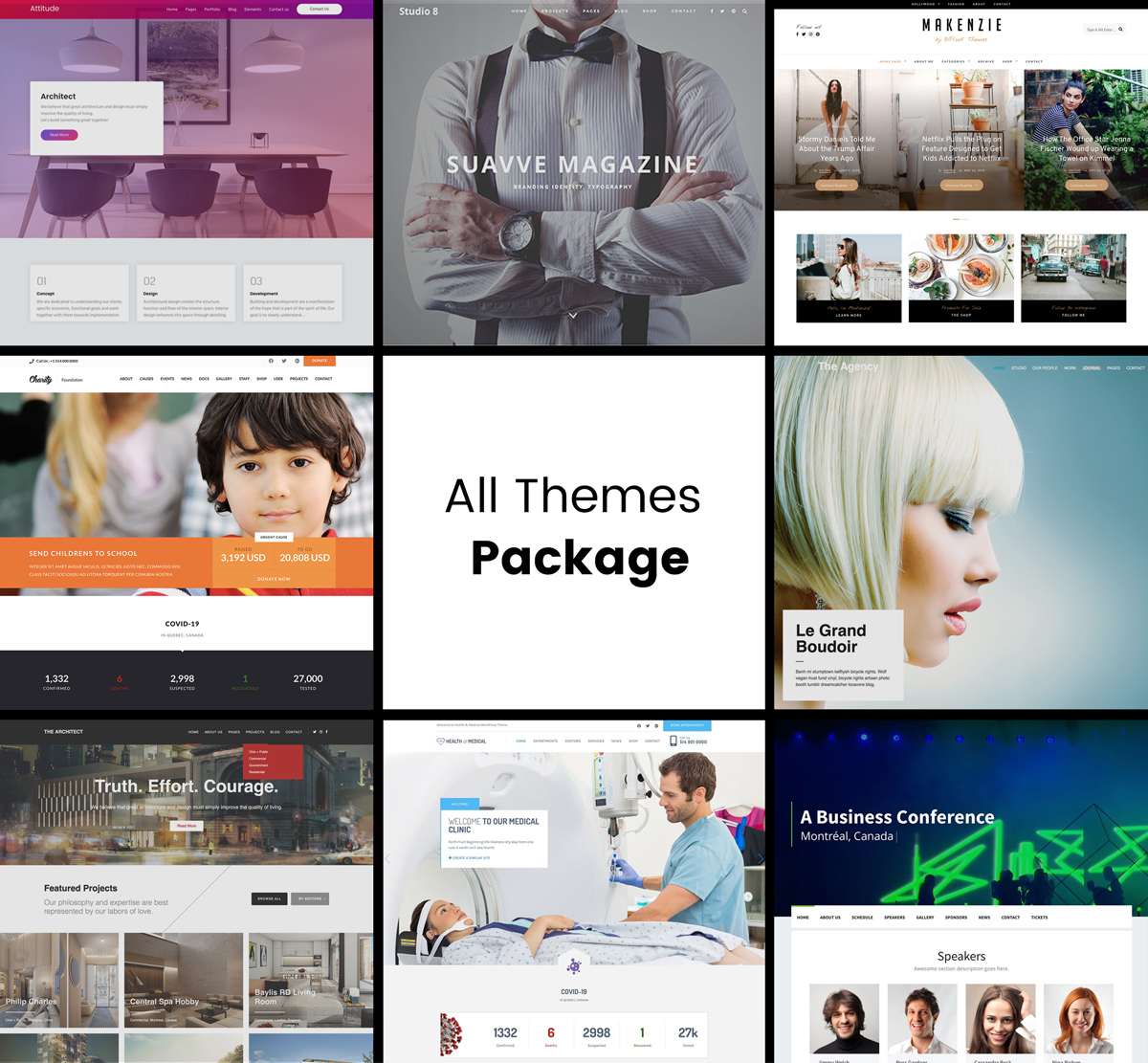

Need Fast, Reliable WordPress Hosting?
Managed hosting with free SSL, daily backups and theme setup included.