If you have a passion for style and a desire to share your perspective with the world, learning how to start a fashion blog is one of the most rewarding decisions you can make. Fashion blogging gives you a platform to express your creativity, connect with like-minded people, and even build a full-time income doing something you genuinely love. The barrier to entry has never been lower, and the audience for fashion content keeps growing year after year.
This guide walks you through every step, from choosing your niche and setting up your site to creating your first posts and monetizing your content. Whether you are drawn to street style, sustainable fashion, or luxury brands, you will have a professional fashion blog up and running by the end of this guide. Consider this part of our larger resource on starting a blog, covering everything beginners need to know.
Choose Your Fashion Blog Niche
Fashion is a broad industry. Trying to cover everything from haute couture to thrift store finds will spread you thin and make it harder to build an audience. The most successful fashion bloggers focus on a specific niche where they can establish genuine authority and attract a dedicated readership.
Here are some fashion sub-niches worth considering:
- Street style – Capture everyday fashion from real people in real cities
- Sustainable fashion – Ethical brands, slow fashion, eco-friendly choices
- Luxury and designer – High-end reviews, runway analysis, investment pieces
- Thrift and vintage – Secondhand finds, styling pre-loved pieces, budget fashion
- Plus-size fashion – Body-positive styling, inclusive brand reviews
- Seasonal trends – Capsule wardrobes, trend forecasting, seasonal lookbooks
Pick a niche that genuinely excites you. You will be writing about it for months and years, so it needs to hold your interest. Think about what you already spend time on. If your friends always ask for your opinion on thrift store hauls, that is your niche. If you obsess over runway shows and designer collections, lean into luxury fashion. Your authentic enthusiasm is what will set your blog apart from the thousands of generic fashion sites out there.
The approach is similar to starting a niche blog in any other category. The more specific your focus, the easier it becomes to rank in search engines and attract readers who actually care about what you write.
Get Hosting and a Domain Name
A self-hosted WordPress site gives you full control over your fashion blog. You own your content, you control your design, and you can monetize however you choose. Free blogging platforms limit your options and make you look less professional. If you are serious about fashion blogging, invest in proper hosting from the start.
Check out our guide to the best WordPress hosting providers for a detailed comparison. Look for a host that offers one-click WordPress installation, SSL certificates, daily backups, and solid uptime. These are not luxury features. They are the foundation that keeps your blog fast and secure.
When choosing your domain name, keep these tips in mind:
- Keep it short, memorable, and easy to spell
- Avoid numbers and hyphens
- Include a hint of your niche if possible (e.g., “thriftstyled.com”)
- Go with a .com extension whenever available
- Check that the name is available on social media platforms too
Your domain name is your brand identity. Take time to choose wisely, because changing it later means losing the search engine authority you have built.
Install WordPress and Pick a Fashion Blog Theme
Most hosting providers offer one-click WordPress installation, so getting WordPress running takes just a few minutes. Once installed, log in to your WordPress dashboard at yourdomain.com/wp-admin and start exploring. WordPress powers over 40% of all websites on the internet, according to W3Techs, so you are in good company.
Your theme determines how your fashion blog looks and feels. Fashion blogging is visual by nature, so your theme needs to showcase images beautifully while keeping the reading experience clean and fast. You want large featured images, elegant typography, and a layout that puts your content front and center.
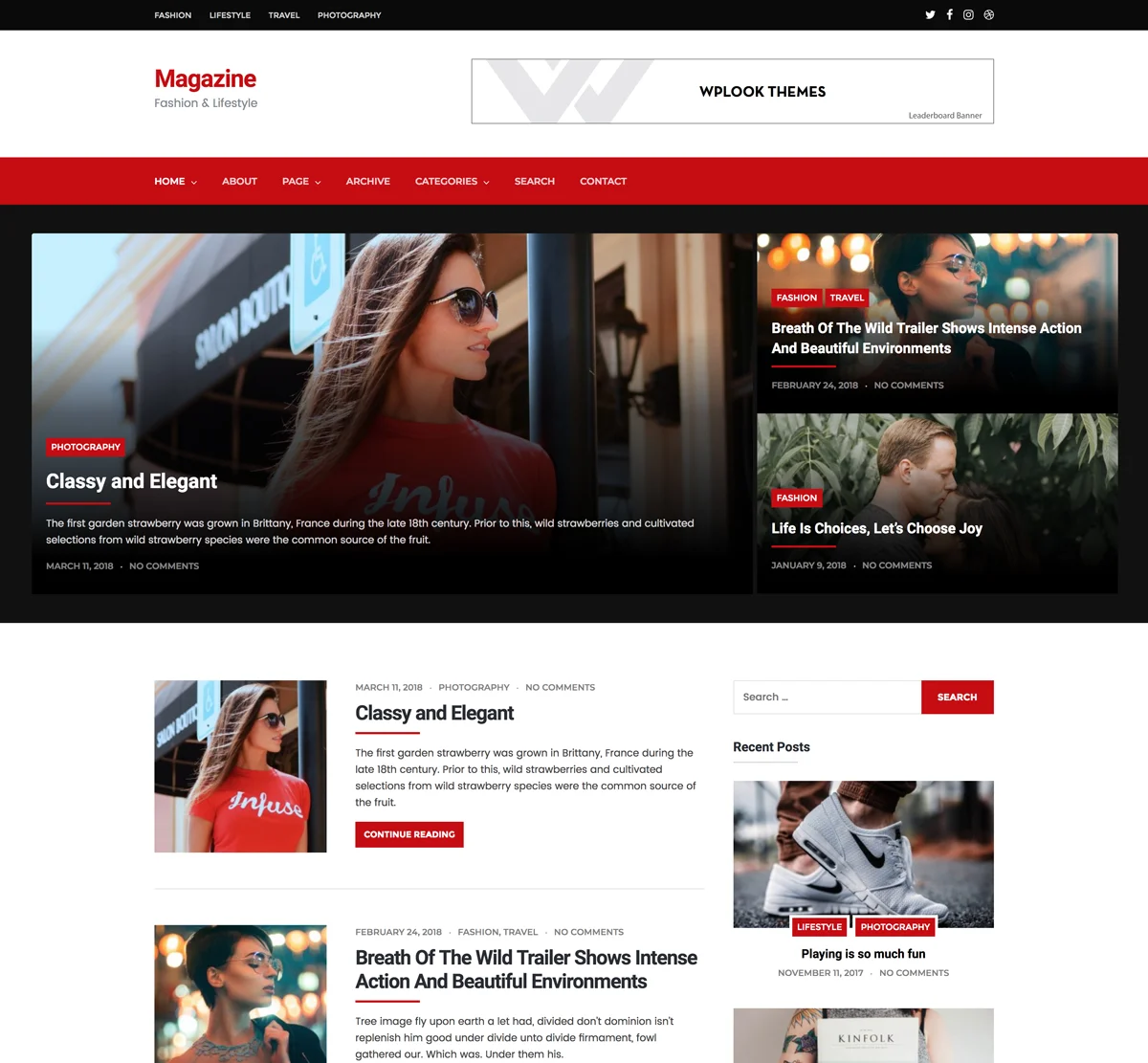
Makenzie is a theme we built specifically for lifestyle and fashion bloggers. It combines magazine-style layouts with the features that fashion content creators actually need, including WooCommerce integration for selling products directly from your blog. If you are exploring other options, browse our collection of lifestyle WordPress themes for more choices.
Makenzie PRO
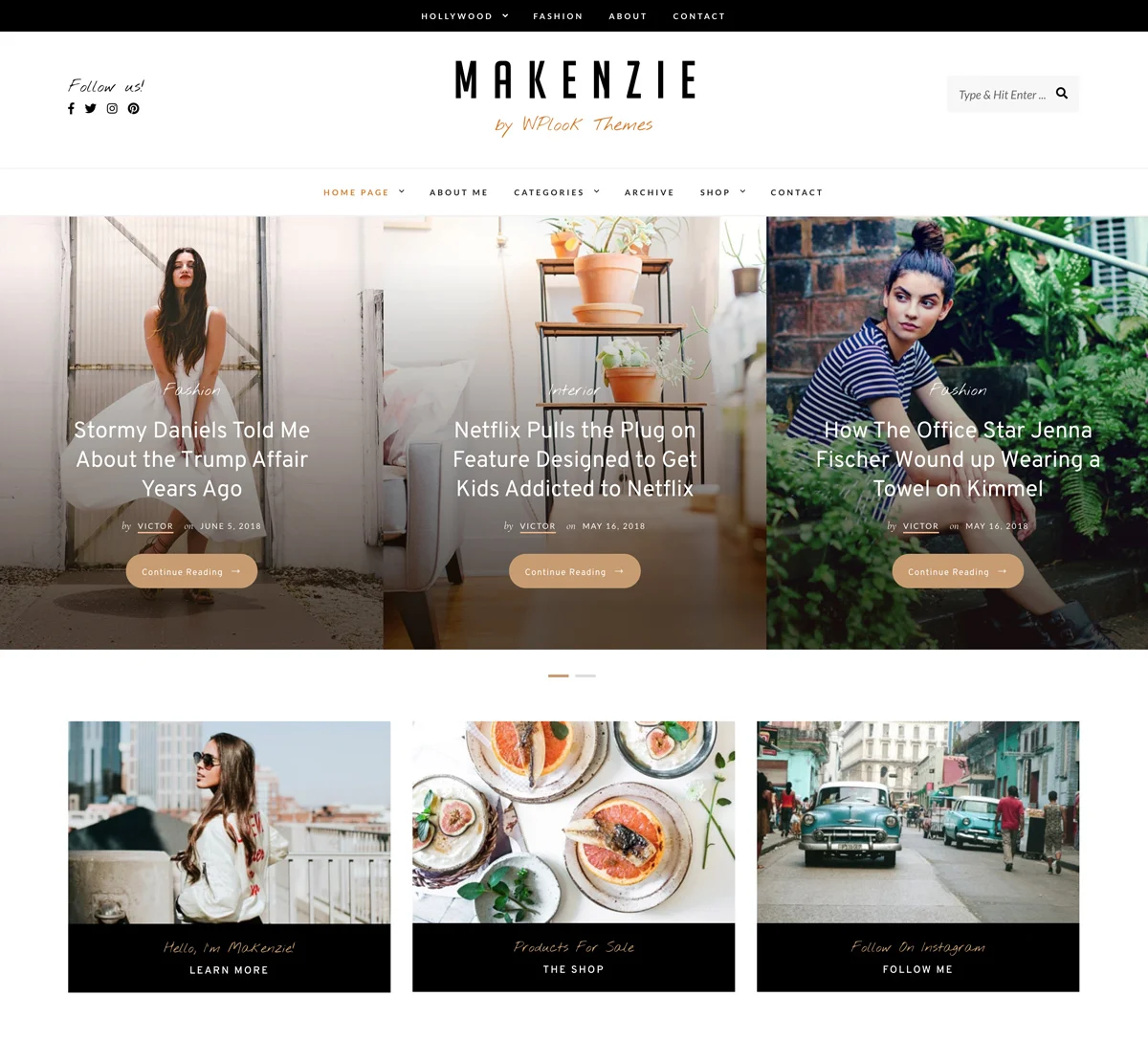
Makenzie was designed from the ground up for lifestyle bloggers and fashion content creators who want their visual work to speak for itself. The theme features elegant, magazine-inspired layouts with generous white space that lets your photography and styling content breathe. Multiple homepage configurations give you full control over how readers experience your blog, from grid-based lookbook layouts to traditional editorial formats. The clean typography and carefully considered spacing create a premium reading experience that keeps visitors engaged longer.
Beyond its striking design, Makenzie is packed with practical features that fashion bloggers rely on daily. Full WooCommerce integration lets you sell clothing, accessories, or digital products directly from your blog without needing a separate storefront. The included WPlook Styler visual CSS editor makes it simple to adjust colors, fonts, and layout elements without touching code. Customizable promo boxes highlight sponsored content or featured collections, and the built-in link-in-bio page connects your Instagram audience directly to your blog content. Every element is responsive and retina-ready, ensuring your fashion photography looks pixel-perfect on any screen size.
Key Features
- Built-in WooCommerce for selling fashion products
- WPlook Styler visual CSS editor included
- Customizable promo boxes for featured content
- Link-in-bio page for Instagram and social media
- Responsive and retina-ready on all devices
- Full Gutenberg block editor compatibility
Best For: Fashion bloggers, lifestyle content creators, and style influencers who want a polished, magazine-style blog with built-in monetization through WooCommerce.
If you are just starting out and want to test the waters before investing, Makenzie Lite is a free version that gives you the same clean design with a more focused feature set. You can always upgrade to the PRO version later when your blog grows.
Set Up Essential Plugins
WordPress plugins extend what your blog can do. You do not need dozens of them, but a few well-chosen plugins make a real difference. Here are the essentials for a fashion blog:
- Yoast SEO – Helps you optimize every post for search engines so your fashion content gets found
- Contact Form 7 or WPForms – Lets brands and PR agencies reach you for collaborations
- Smush or ShortPixel – Compresses your high-resolution fashion photography without visible quality loss
- Social sharing plugin – Makes it easy for readers to share your outfit posts on Pinterest, Instagram, and other platforms
- WooCommerce – If you plan to sell products, affiliate picks, or digital style guides from your blog
- UpdraftPlus – Automatic backups so you never lose your content
Browse our curated list of the best WordPress plugins for more recommendations. Install only what you need. Every plugin adds some overhead to your site, and a fast-loading blog matters more than most people realize. According to Google’s page experience documentation, site speed directly affects your search rankings.
Create Your First Fashion Blog Posts
Your blog is set up. Now comes the part that actually matters: creating content that people want to read. Fashion blogging is visual, so invest time in quality photography. You do not need a professional camera to start. A modern smartphone with good lighting produces images that work perfectly well for blog posts.
Here are content ideas to get you started:
- Outfit of the day posts – Your signature daily or weekly look, photographed in natural light
- Trend reports – Break down what is happening on the runways and how readers can incorporate trends affordably
- Haul and unboxing content – Share your latest purchases with honest first impressions
- Brand reviews – In-depth reviews of clothing brands, focusing on quality, fit, and value
- Style guides – Seasonal capsule wardrobes, how-to-style pieces, or wardrobe building guides
- Behind-the-scenes content – Show your creative process, from concept to finished photos
A few practical photography tips for fashion bloggers. Shoot during golden hour (the hour after sunrise or before sunset) for warm, flattering light. Use a clean, uncluttered background so the outfit remains the focus. Take both full-body and detail shots to show fabric texture and accessories. Edit consistently using the same filters or presets so your blog has a cohesive visual identity.
Consistency matters more than perfection. Aim to publish at least one post per week. Set a schedule and stick to it. Your audience will grow when they know they can count on fresh content. Use Google Search Console to track which posts are bringing in organic traffic and double down on what works.
Grow and Monetize Your Fashion Blog
Once you have a library of quality content and a growing audience, monetization becomes a natural next step. Fashion blogging offers more revenue streams than almost any other niche, which is one reason it remains so appealing.
Here are the most effective ways fashion bloggers make money:
- Affiliate marketing – Link to products you recommend and earn a commission on each sale. Programs like RewardStyle (LTK), ShareASale, and Amazon Associates are popular in the fashion space
- Sponsored posts – Brands pay you to feature their products in your content. Build your media kit once you reach consistent traffic
- Selling your own products – Use WooCommerce (which Makenzie fully supports) to sell curated collections, digital style guides, presets, or your own clothing line
- Email marketing – Build a subscriber list and send weekly style newsletters. Your email list is the one audience you truly own
- Ad revenue – Display ads through Mediavine or AdThrive once you reach their traffic thresholds
Social media amplifies everything. Pinterest drives significant traffic to fashion blogs because of its visual, discovery-based nature. Instagram builds personal connection with your audience. Make it easy for readers to share your content by adding social sharing plugins to every post. The easier you make sharing, the faster your reach grows.
Do not try to monetize too aggressively in the early months. Focus on building trust with your readers first. When your recommendations come from genuine experience rather than a desire to make a quick sale, your audience notices. That trust is what makes your monetization sustainable long-term.
Start Your Fashion Blog Today
You now have everything you need to launch a fashion blog that stands out. Choose a focused niche, get solid hosting, install WordPress, pick a theme like Makenzie that was built for fashion content, and start creating posts that reflect your unique perspective. The fashion blogging space rewards consistency and authenticity above all else.
If you are ready to get started, grab Makenzie PRO and have your fashion blog looking professional within the hour. For more step-by-step guidance on everything from SEO to content strategy, explore our complete blogging guide. Your style deserves a platform. Go build it.
FAQ
- How much does it cost to start a fashion blog?You can start a fashion blog for as little as $50-100 for the first year. That covers a domain name (around $10-15 per year) and shared hosting (around $3-10 per month). A premium WordPress theme like Makenzie PRO costs $49 as a one-time purchase. The biggest ongoing investment is your time creating content. As your blog grows, you may choose to invest in better photography equipment, email marketing tools, or premium plugins, but none of these are required to get started.
- Can I start a fashion blog for free?Technically yes, using free platforms like WordPress.com or Blogger, but it comes with significant limitations. Free platforms restrict your design options, prevent you from running ads or affiliate links, and display their own branding on your site. You also cannot use a custom domain name, which hurts your credibility with both readers and brands. A better approach is to use affordable hosting with a free theme like Makenzie Lite. This gives you a professional-looking blog with full control for just a few dollars per month.
- How do fashion bloggers make money?Fashion bloggers earn money through several channels. Affiliate marketing is the most common, where you earn commissions by linking to products readers purchase through your recommendations. Sponsored content involves brands paying you to create posts featuring their products. Many fashion bloggers also sell their own products, from curated clothing collections to digital style guides, using WooCommerce on their WordPress blog. Display advertising through networks like Mediavine provides passive income once you reach sufficient traffic. Some fashion bloggers also offer consulting, personal styling services, or create paid content for brands’ own channels.
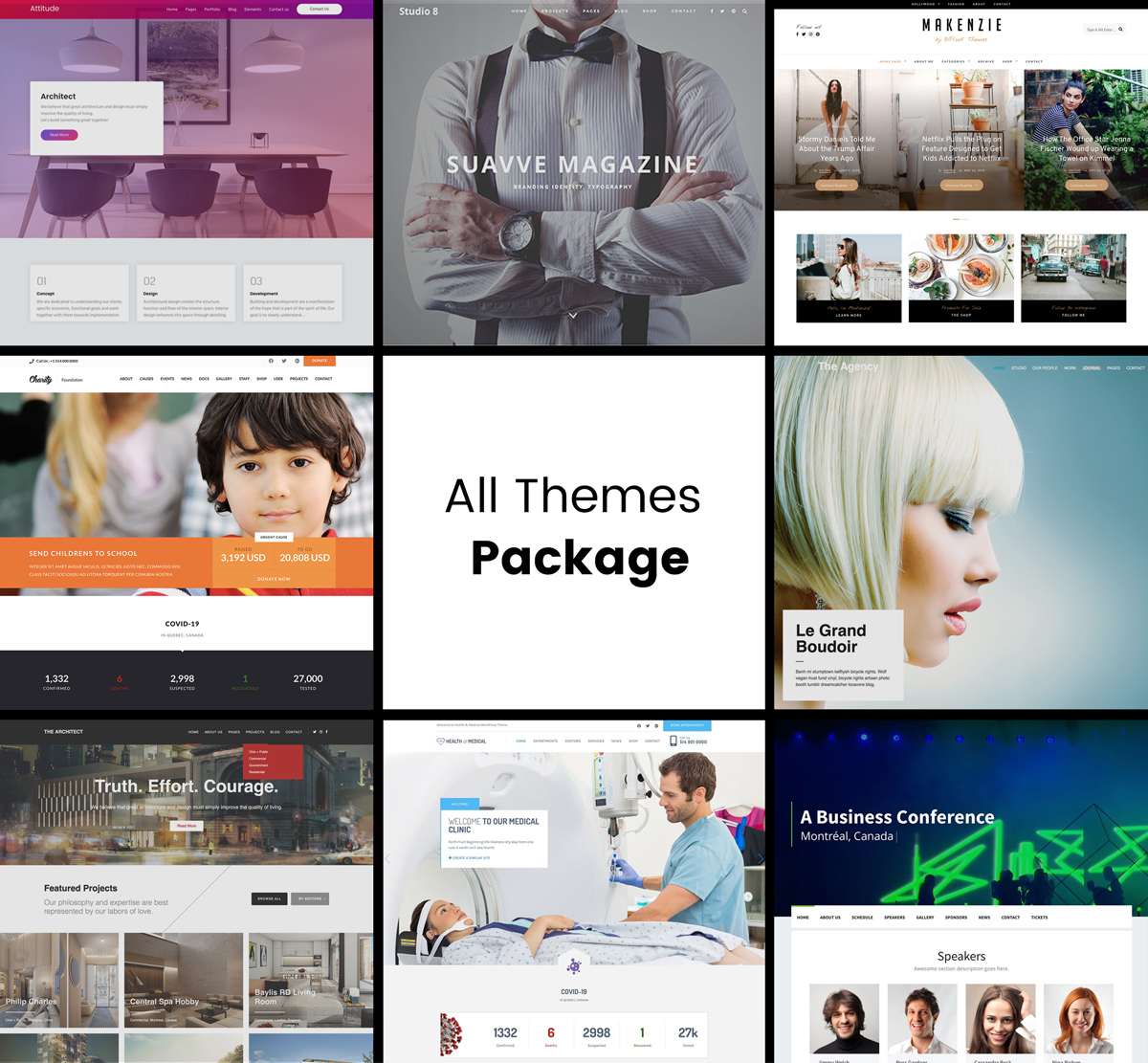
Get Access to All 28 WordPress Themes
Build unlimited websites with one subscription.