
WordPress powers over 40% of all websites for good reason. Its plugin system lets you add features without touching code. The right plugins handle contact forms, SEO, security, analytics, and performance. This guide covers the best WordPress plugins that work for any type of site.
These plugins form the foundation of a well-built WordPress site. Each one solves a specific problem that most websites face. Install them to save time, improve user experience, and get better results from your site. For a complete overview of plugin categories, see our WordPress plugins guide.
Best WordPress Plugins
Contact Form 7
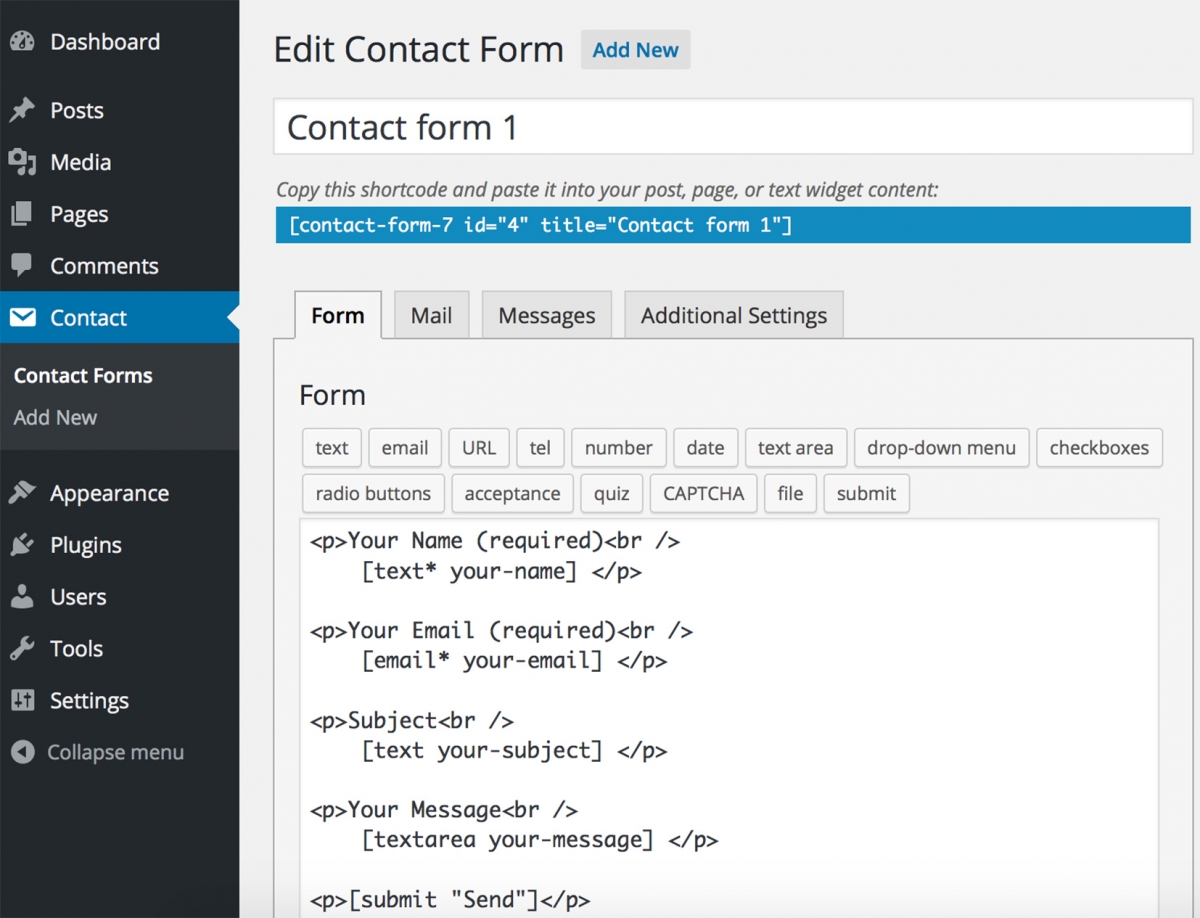
Contact Form 7 remains the most popular form plugin for WordPress with over 5 million active installations. It creates contact forms, feedback forms, and email collection forms using simple tag-based markup. The plugin supports multiple forms on a single page, and its AJAX-powered submission means forms work without page reloads.
Built-in spam filtering through Akismet keeps your inbox clean, and CAPTCHA support adds another layer of protection against bots. The form markup is easy to style with CSS, giving developers full control over appearance. Despite its simplicity, Contact Form 7 is extensible through dozens of add-on plugins for file uploads, conditional logic, and more.
Key Features
- Simple tag-based form creation
- Multiple forms on a single page
- AJAX submission without page reload
- Built-in Akismet spam filtering
- CAPTCHA and quiz support
- Extensible with dozens of add-ons
Best For: Any WordPress site that needs contact forms, feedback forms, or basic email collection without complexity.
Akismet Anti-Spam
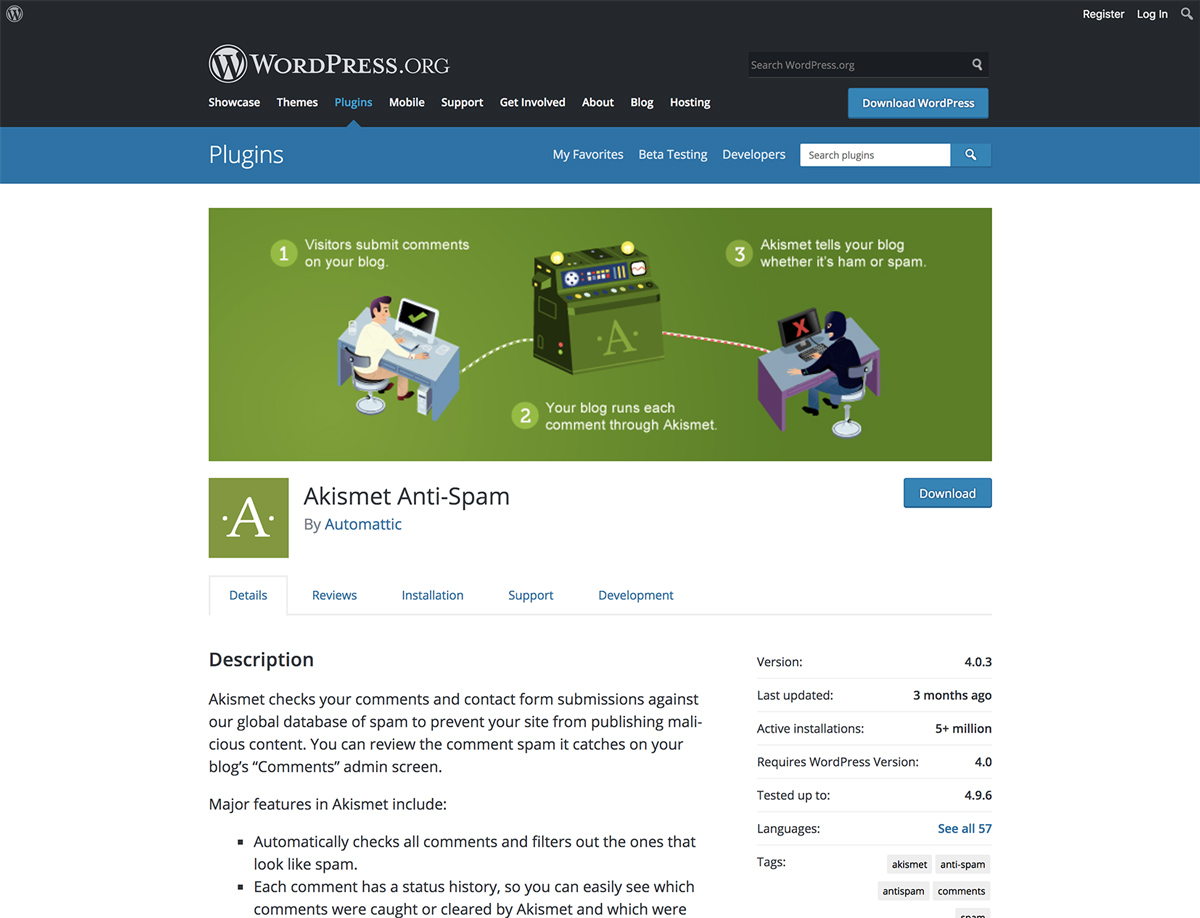
Akismet comes pre-installed with WordPress for good reason—spam comments flood unprotected sites, filling databases and wasting your time. The plugin filters spam automatically using a global database of spam patterns, checking every comment against its cloud service before it reaches your site.
A status history shows what Akismet caught for each comment, helping moderators spot false positives. The discard feature removes the worst spam without storing it in your database, keeping your site lean. Akismet integrates seamlessly with Contact Form 7 and other form plugins, extending its protection beyond just comments.
Key Features
- Automatic spam comment filtering
- Cloud-based global spam database
- Status history for each comment
- Auto-discard worst spam
- Works with Contact Form 7
- Free for personal sites
Best For: Every WordPress site that accepts comments or form submissions. It’s the first line of defense against spam.
Smush Image Optimization
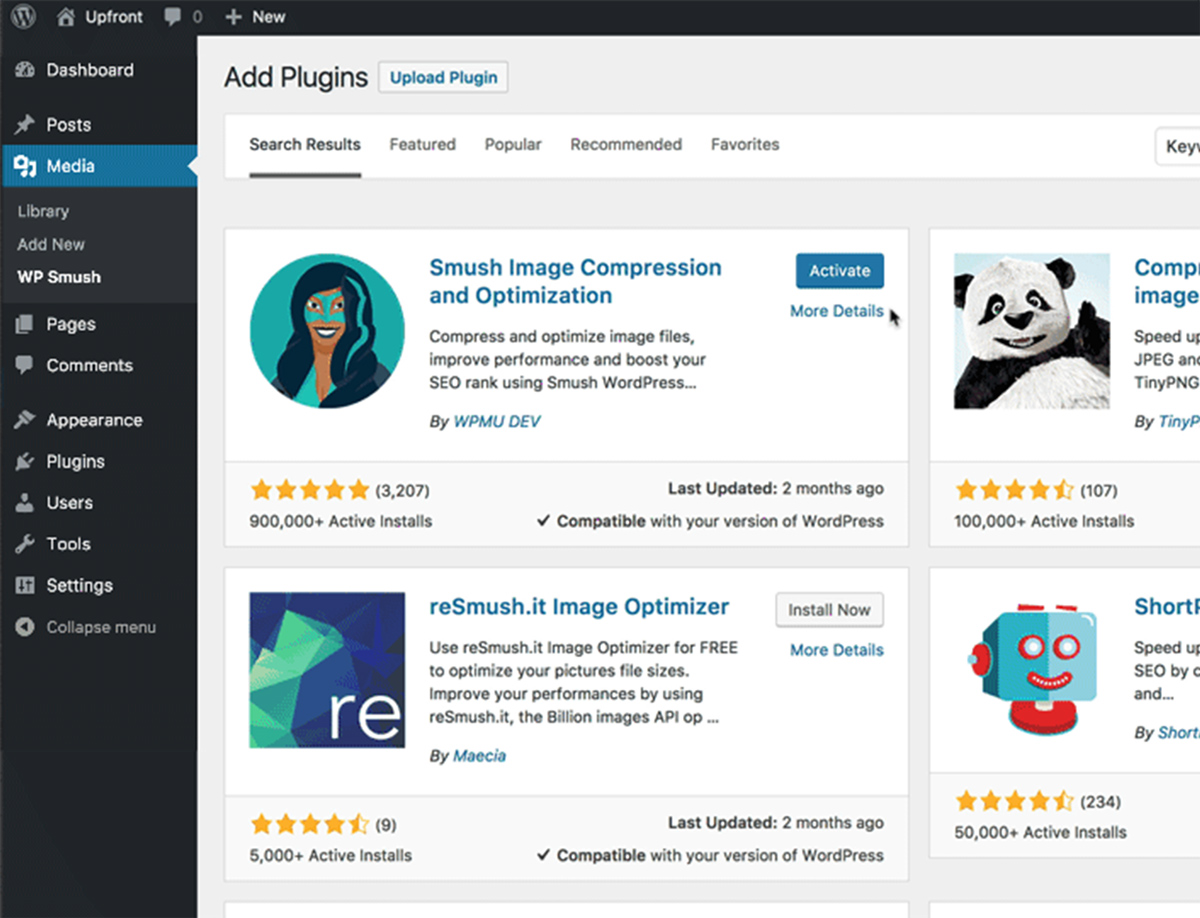
Large images are the number one cause of slow WordPress sites. Smush compresses images automatically when you upload them, reducing file sizes without visible quality loss. The bulk optimization feature handles your entire existing media library, so images uploaded before installing the plugin get optimized too.
The free version optimizes images up to 5MB each, which covers most use cases. Lazy loading defers off-screen images until visitors scroll to them, dramatically improving initial page load times. WebP conversion serves modern image formats to browsers that support them. For more options, see our guide to WordPress image optimization plugins.
Key Features
- Automatic compression on upload
- Bulk optimization for existing images
- Lossless compression preserves quality
- Lazy loading for faster page loads
- WebP conversion support
- Multisite compatible
Best For: Image-heavy sites like blogs, portfolios, and e-commerce stores that need faster page loads without sacrificing visual quality.
Page Builder by SiteOrigin
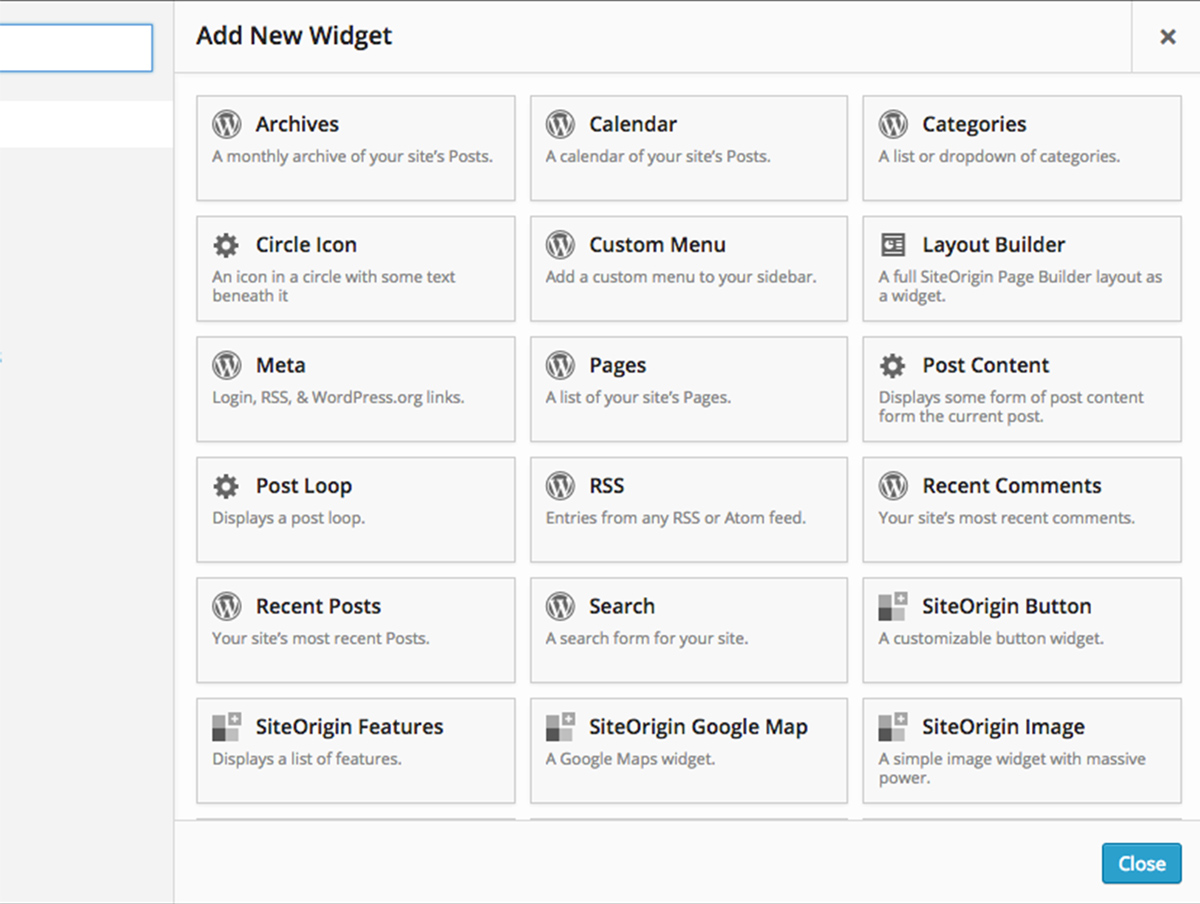
Page Builder by SiteOrigin creates custom page layouts without coding using a drag-and-drop interface. Build complex designs with rows, columns, and widgets that work with any WordPress theme. The builder generates clean, lightweight code that doesn’t slow down your site like some heavier page builders.
Live editing shows changes in real time as you work, and the history feature lets you undo changes and return to previous versions. Responsive design settings control how layouts appear on different screen sizes. While the Gutenberg block editor has reduced the need for page builders, SiteOrigin remains popular for its simplicity and theme compatibility.
Key Features
- Drag and drop interface
- Works with any WordPress theme
- Live editing with real-time preview
- History and revision support
- Responsive design controls
- Clean, lightweight output code
Best For: Users who need complex page layouts beyond what the Gutenberg editor offers, without the overhead of heavier page builders.
MC4WP: Mailchimp for WordPress
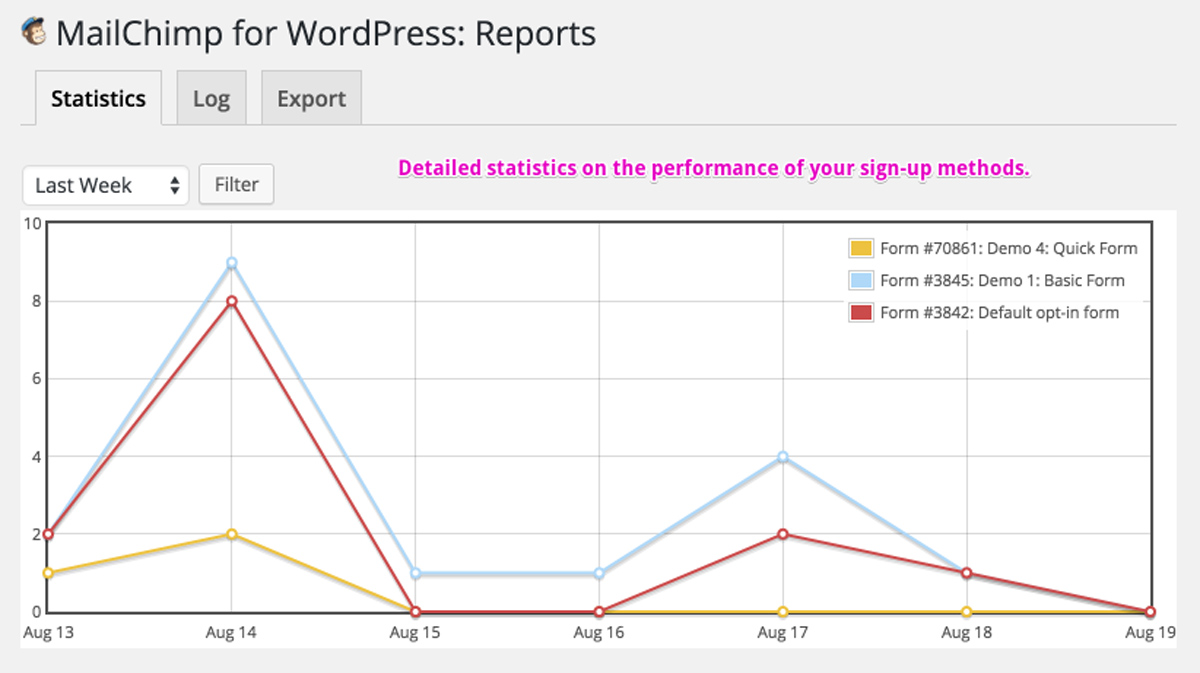
MC4WP connects your WordPress site to Mailchimp, letting you add email signup forms anywhere on your site. Subscribers go directly to your Mailchimp lists without manual work. The plugin offers multiple form styles and placements—add forms to posts, pages, widgets, or use shortcodes.
Statistics track form submissions and conversion rates, helping you optimize your signup strategy. The plugin also adds checkboxes to existing forms like comments and WooCommerce checkout, capturing subscribers at every touchpoint. For more email marketing options, see our guide to email newsletter and marketing tools.
Key Features
- Easy Mailchimp list integration
- Multiple form styles and placements
- Add checkboxes to comment forms
- Submission and conversion statistics
- Works with Contact Form 7
- Developer-friendly hooks and filters
Best For: Bloggers and businesses using Mailchimp who want to capture email subscribers from every page on their WordPress site.
WooCommerce

WooCommerce turns WordPress into a complete e-commerce platform, powering over 5 million online stores worldwide. Sell physical products, digital downloads, subscriptions, or services—all from your existing WordPress site. The plugin handles inventory management, shipping calculations, tax settings, and secure payment processing out of the box.
Built-in payment gateways accept credit cards and PayPal, and hundreds of extensions add features like subscriptions, bookings, and memberships. WooCommerce scales from a single-product shop to an enterprise catalog with thousands of items. Explore our list of best free WooCommerce plugins to extend your store’s functionality.
Key Features
- Complete store and inventory management
- Built-in payment processing
- Shipping and tax calculations
- Hundreds of extensions available
- Physical and digital product support
- Scales from small shop to enterprise
Best For: Any WordPress site that needs to sell products, services, or digital downloads with a full-featured e-commerce solution.
Jetpack

Jetpack by Automattic bundles security, performance, and marketing tools into one plugin. Made by the company behind WordPress.com, it provides brute force attack protection, downtime monitoring, and site statistics in its free tier. The plugin acts as a Swiss Army knife for WordPress site management.
Paid plans add real-time backups, malware scanning, and advanced spam protection. The plugin also includes social media sharing, related posts, and contact forms. While some developers prefer individual plugins for each function, Jetpack’s all-in-one approach simplifies site management for users who want fewer plugins to maintain.
Key Features
- Brute force attack protection
- Downtime monitoring alerts
- Built-in site statistics dashboard
- Social media auto-sharing
- Image CDN for faster loading
- Real-time backups (paid plans)
Best For: Site owners who want security, performance, and marketing tools in a single plugin rather than managing multiple separate plugins.
Yoast SEO
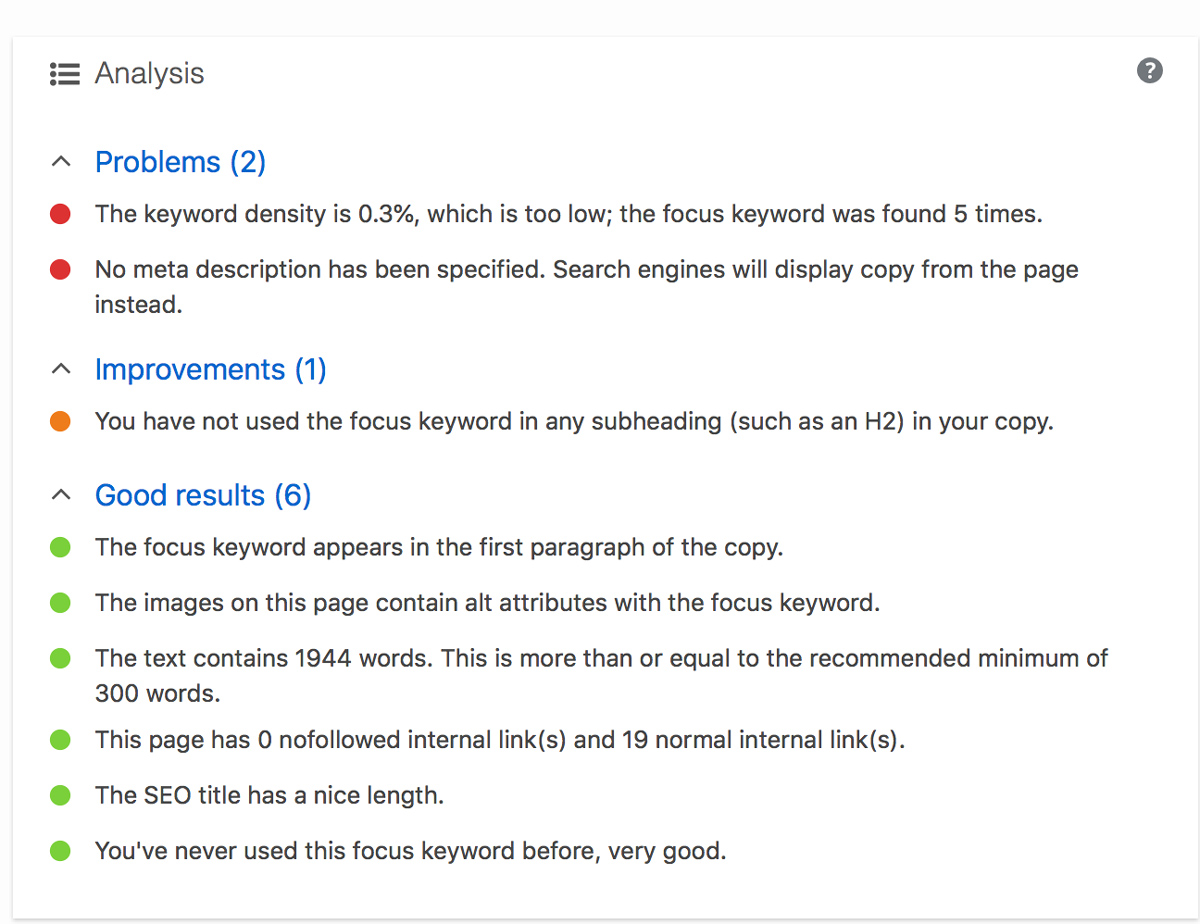
Yoast SEO is the most popular search engine optimization plugin for WordPress, helping millions of sites rank higher in Google. The plugin analyzes your content in real time and provides actionable suggestions for improvement. Traffic light indicators show at a glance whether your content meets SEO best practices.
Set focus keywords for each post and get instant feedback on keyword placement, density, and distribution. The readability analysis checks sentence length, paragraph structure, and passive voice usage. Yoast generates XML sitemaps automatically, manages meta tags, adds breadcrumb navigation, and implements Schema.org structured data—all critical for modern SEO.
Key Features
- Real-time content and SEO analysis
- Readability scoring and suggestions
- Automatic XML sitemap generation
- Meta tag and social preview management
- Breadcrumb navigation support
- Schema.org structured data markup
Best For: Every WordPress site that wants to rank higher in search engines. Yoast is the industry standard for on-page SEO optimization.
Google XML Sitemaps
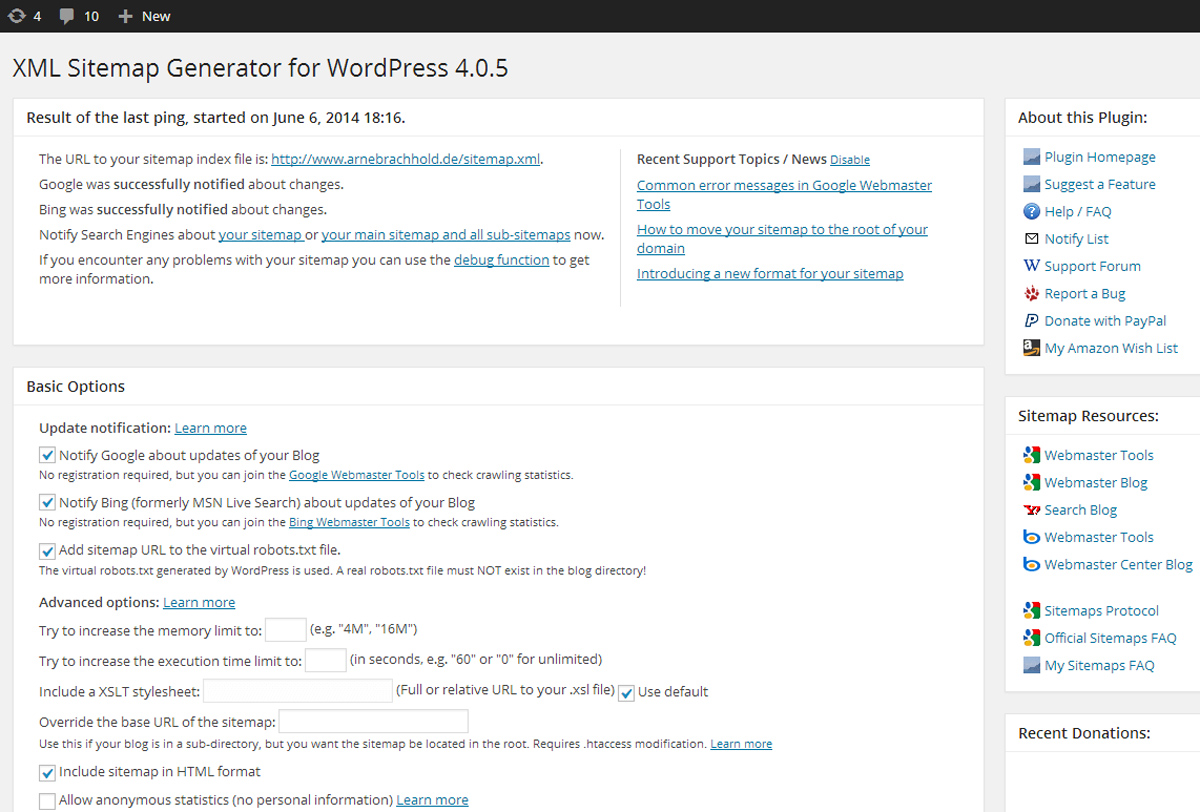
Google XML Sitemaps creates XML sitemaps and notifies Google and Bing when you publish new content. Search engines discover your posts faster with properly formatted sitemaps that list all your pages, their relationships, and update frequency. The plugin has been around since WordPress’s early days and remains a reliable choice.
The plugin supports all WordPress content types including posts, pages, and custom post types. It handles large sites with millions of posts by splitting sitemaps automatically. Settings let you exclude specific content or set priority levels for different page types. Note: if you already use Yoast SEO, you don’t need this plugin since Yoast includes sitemap functionality.
Key Features
- Automatic sitemap generation
- Google and Bing notifications
- All content types supported
- Handles large sites with auto-splitting
- Priority and frequency settings
- Content exclusion options
Best For: Sites that don’t use Yoast SEO or another SEO plugin with built-in sitemap support and need a dedicated, lightweight sitemap solution.
MonsterInsights
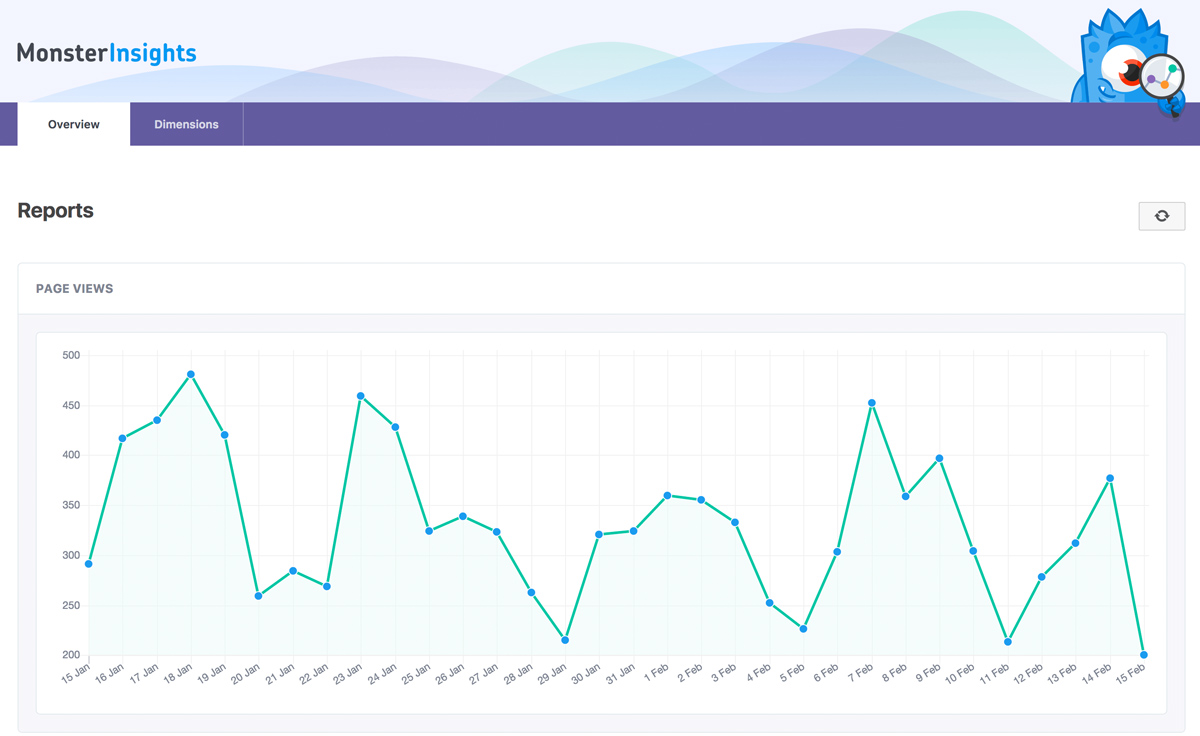
MonsterInsights connects Google Analytics to your WordPress dashboard, letting you view traffic reports without leaving your site. The plugin handles tracking code installation correctly and adds advanced tracking features that would otherwise require custom code—event tracking, e-commerce tracking, and file download monitoring.
Real-time stats show current visitors on your site. E-commerce tracking works with WooCommerce to display revenue data directly in WordPress. The dashboard widgets give you quick access to key metrics like page views, sessions, and top content. GDPR compliance options help you meet privacy requirements in the EU.
Key Features
- Easy Google Analytics integration
- WordPress dashboard traffic reports
- Real-time visitor statistics
- WooCommerce e-commerce tracking
- Event and outbound link tracking
- GDPR compliance options
Best For: Site owners who want Google Analytics data inside their WordPress dashboard without manually editing tracking code.
Redirection
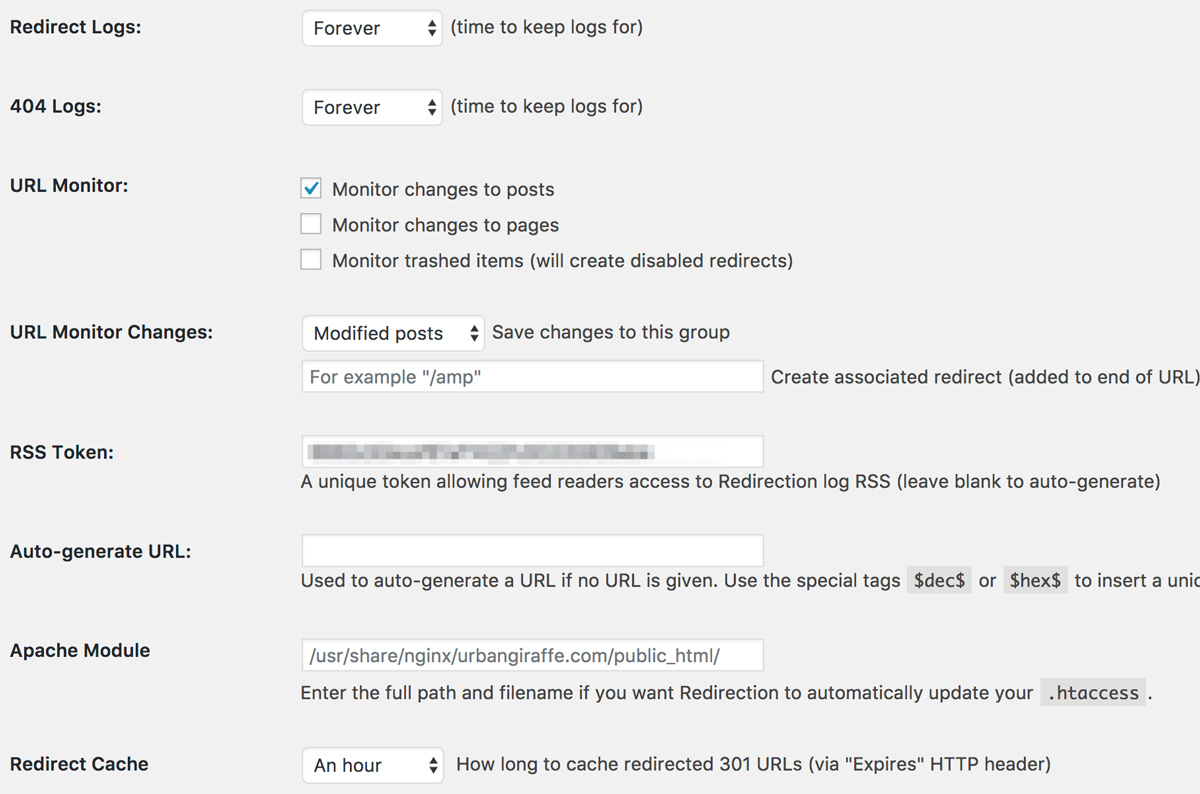
Redirection manages URL redirects and tracks 404 errors on your WordPress site. When you change URLs, restructure content, or delete pages, redirects ensure visitors and search engines reach the right destination. The plugin logs every 404 error so you can identify and fix broken links before they hurt your SEO.
Create simple redirects or use regular expressions for complex URL patterns. The plugin supports conditional redirects based on login status, browser, or referrer. Import and export features help migrate redirects between sites, and Apache/Nginx configuration export improves performance on high-traffic sites by handling redirects at the server level.
Key Features
- 301 and 302 redirect management
- Automatic 404 error logging
- Regular expression pattern support
- Conditional redirects by context
- Import/export for site migrations
- Apache and Nginx config export
Best For: Sites undergoing URL restructuring, content migration, or any WordPress site that needs to manage redirects and monitor 404 errors.
Choosing Your Plugin Stack
Start with the plugins that match your needs. Most sites benefit from a contact form, spam protection, SEO, and analytics. Add e-commerce, image optimization, and other plugins as needed.
Test plugins on a staging site first. Some plugins conflict with themes or other plugins. Keep your plugin list lean. Remove anything you don’t actively use. Regular updates keep your site secure and running smoothly.
For more plugin recommendations, explore our guides to social sharing plugins, backup plugins, donation plugins, event calendar plugins, and live chat plugins. Each guide dives deeper into specific plugin categories. Need multilingual support? Check our WordPress translation plugins guide.
Frequently Asked Questions
- Which WordPress plugins are essential for beginners?Beginners should start with Akismet for spam protection, Yoast SEO for search optimization, Contact Form 7 for forms, and Smush for image compression. These four plugins cover the basics every site needs without being complicated to configure.
- Can I use multiple SEO plugins at once?No. SEO plugins often conflict when used together. Pick one SEO plugin like Yoast SEO or Rank Math and stick with it. Running multiple SEO plugins creates duplicate meta tags and confuses search engines.
- Do I need a caching plugin with these plugins?Yes. Caching plugins like WP Super Cache or W3 Total Cache speed up your site significantly. They store static versions of your pages, reducing server load. Most WordPress sites benefit from a caching plugin regardless of what other plugins they use.
- Why does Akismet need an API key?Akismet checks comments against its cloud database of known spam. The API key connects your site to this service. Free keys work for personal sites. Commercial sites need paid plans. Get your key at akismet.com after creating a WordPress.com account.
- Should I use Google XML Sitemaps if I have Yoast SEO?No. Yoast SEO includes sitemap functionality. Using both creates duplicate sitemaps. If you use Yoast SEO, disable or uninstall Google XML Sitemaps. Let one plugin handle your sitemaps to avoid conflicts.
- Is WooCommerce good for small stores?Yes. WooCommerce scales from single-product sites to massive catalogs. Small stores benefit from its flexibility and low cost. You only pay for extensions you need. Start simple and add features as your store grows.



Get Access to All 29 WordPress Themes
Build unlimited websites with one subscription.