The web design industry evolves constantly, and your toolkit should too. Modern web design requires blending various tools that can make your workflow faster and more efficient. Whether you’re a beginner or professional, the right web designer tools will reduce complexity and help you create better designs.
Best Web Designer Tools
Figma
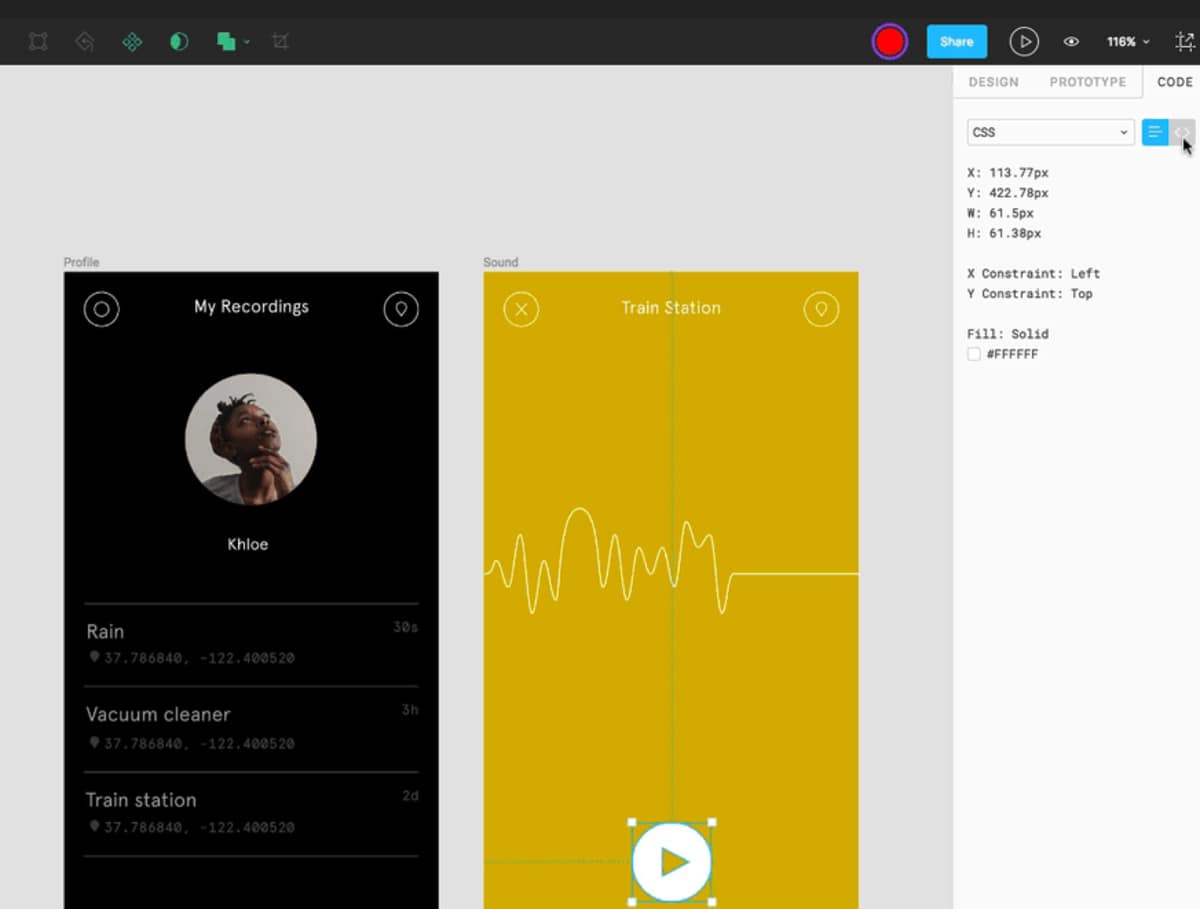
Figma has become the industry standard for UI/UX design, replacing Sketch and Adobe XD in most professional workflows. This browser-based tool enables real-time collaboration—multiple designers can work on the same file simultaneously, making it perfect for design teams of any size. No software installation required; it runs entirely in your browser.
Features include vector editing, interactive prototyping, design systems with reusable components, auto layout, and developer handoff with CSS/code inspection. The free tier is generous enough for individual designers, while paid team plans add version history, shared libraries, and advanced permissions. Figma’s plugin ecosystem extends its capabilities further.
Key Features
- Real-time multiplayer collaboration
- Browser-based, no installation needed
- Interactive prototyping built-in
- Design systems with reusable components
- Developer handoff with code inspection
- Free tier for individual designers
Best For: UI/UX designers and design teams who need real-time collaboration, prototyping, and a complete design system in one browser-based tool.
Sketch
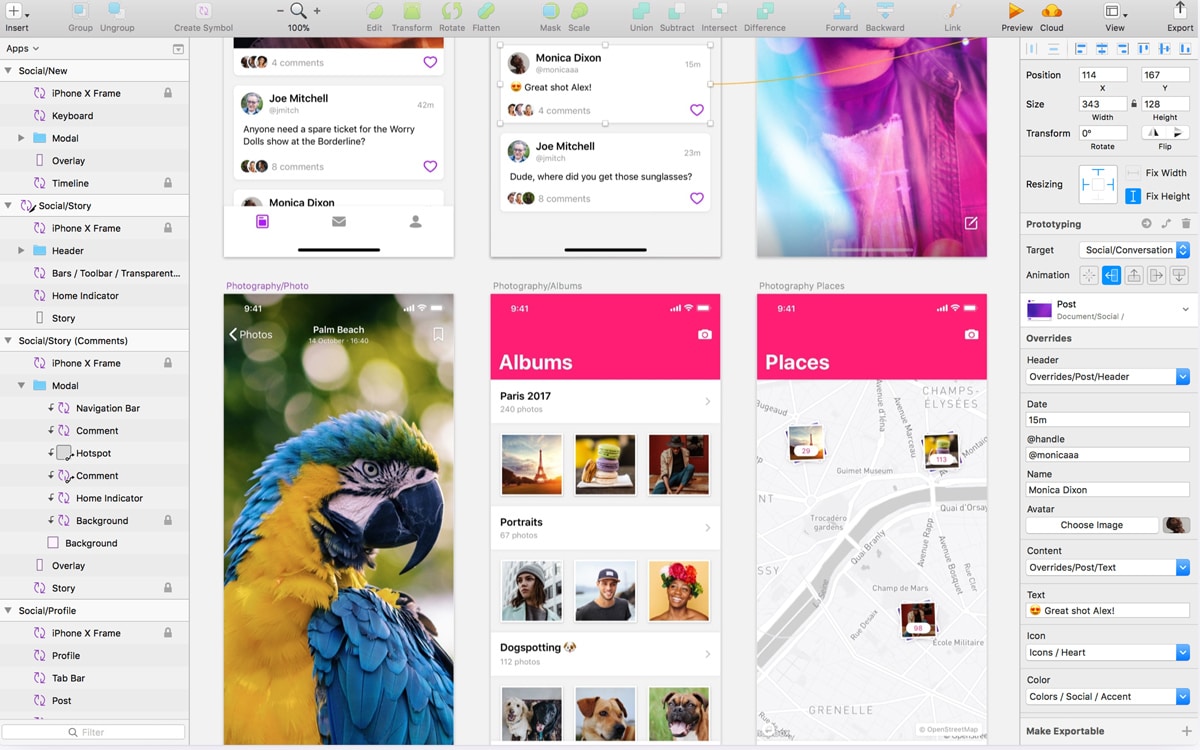
Sketch has been a cornerstone of web and app design since its launch, offering a lightweight Mac app with powerful vector editing capabilities. While Figma has taken market share, Sketch remains popular among Mac-based designers who prefer a native desktop experience. The symbol system creates reusable components that keep designs consistent across projects.
The vast plugin ecosystem extends Sketch’s capabilities into areas like animation, data population, and accessibility testing. Sketch’s collaborative features have improved significantly with its web app for viewing and commenting. The workspace subscription model includes cloud storage and real-time collaboration for teams.
Key Features
- Lightweight native Mac application
- Powerful symbol and component system
- Vast plugin ecosystem available
- Web app for team collaboration
- Vector editing and prototyping
- Cloud workspace for teams
Best For: Mac-based designers who prefer a native desktop app experience and value Sketch’s mature plugin ecosystem and symbol system.
Adobe XD
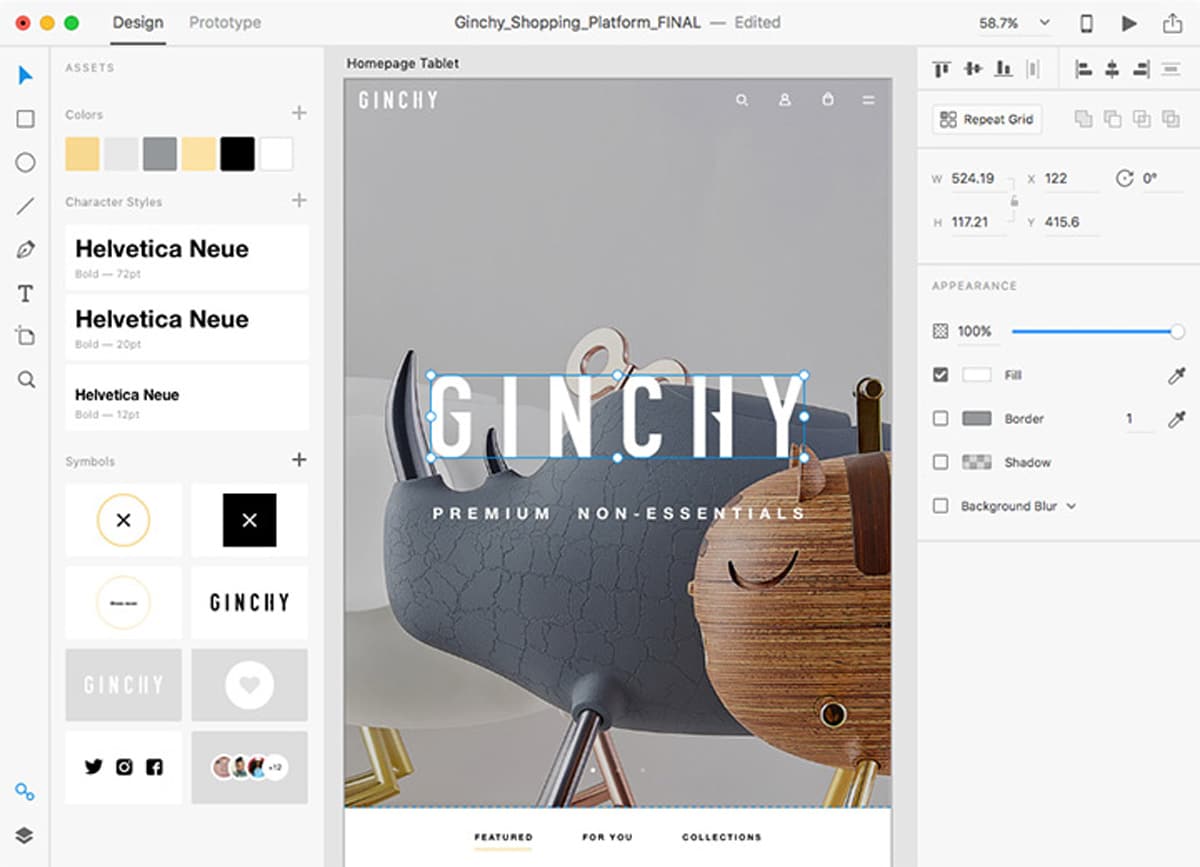
Adobe XD is a vector design and prototyping tool that integrates seamlessly with the Adobe Creative Cloud ecosystem. If your workflow already involves Photoshop, Illustrator, and After Effects, XD fits naturally into your pipeline. The starter plan is free with premium features available through Creative Cloud subscriptions.
XD offers voice prototyping, 3D transforms, and repeat grids that speed up common design patterns. The co-editing feature allows real-time collaboration, though it’s less mature than Figma’s implementation. Adobe’s investment in XD has slowed in favor of Figma integration, but it remains a capable tool for designers in the Adobe ecosystem.
Key Features
- Seamless Adobe Creative Cloud integration
- Voice prototyping capabilities
- 3D transforms and repeat grids
- Co-editing for team collaboration
- Free starter plan available
- Cross-platform Mac and Windows
Best For: Designers already invested in Adobe Creative Cloud who want a UI design tool that integrates with Photoshop, Illustrator, and After Effects.
Framer

Framer bridges the gap between design and development like no other tool. Create interactive prototypes with advanced animations and micro-interactions, then publish them as live websites directly from your designs. The visual editor produces clean, production-ready code that performs well in real browsers.
Advanced animation capabilities make Framer ideal for creating high-fidelity prototypes that look and feel like finished products. The built-in CMS, form handling, and SEO tools mean you can launch real websites—not just prototypes. For web designers who want to ship without handing off to developers, Framer is increasingly the tool of choice.
Key Features
- Publish live websites from designs
- Advanced animation and interactions
- Built-in CMS for content management
- Production-ready clean code output
- Form handling and SEO tools
- High-fidelity prototype creation
Best For: Designers who want to publish live, interactive websites directly from their design tool without developer handoff.
Webflow
Webflow lets you design, build, and launch responsive websites visually without writing code. The visual editor generates clean, semantic HTML, CSS, and JavaScript—not bloated shortcodes or proprietary markup. For designers who understand web layout concepts, Webflow provides the power of code with the speed of visual design.
The built-in CMS handles dynamic content, and the hosting infrastructure delivers fast, reliable performance. Webflow’s interactions and animations system creates engaging scroll effects and micro-interactions without JavaScript knowledge. The education platform (Webflow University) is one of the best free learning resources for web design.
Key Features
- Visual design with clean code output
- Built-in CMS for dynamic content
- Interactions and animations system
- Responsive design controls
- Managed hosting included
- Excellent free learning resources
Best For: Designers who want to build and launch complete websites visually without writing code or relying on developers.
Canva
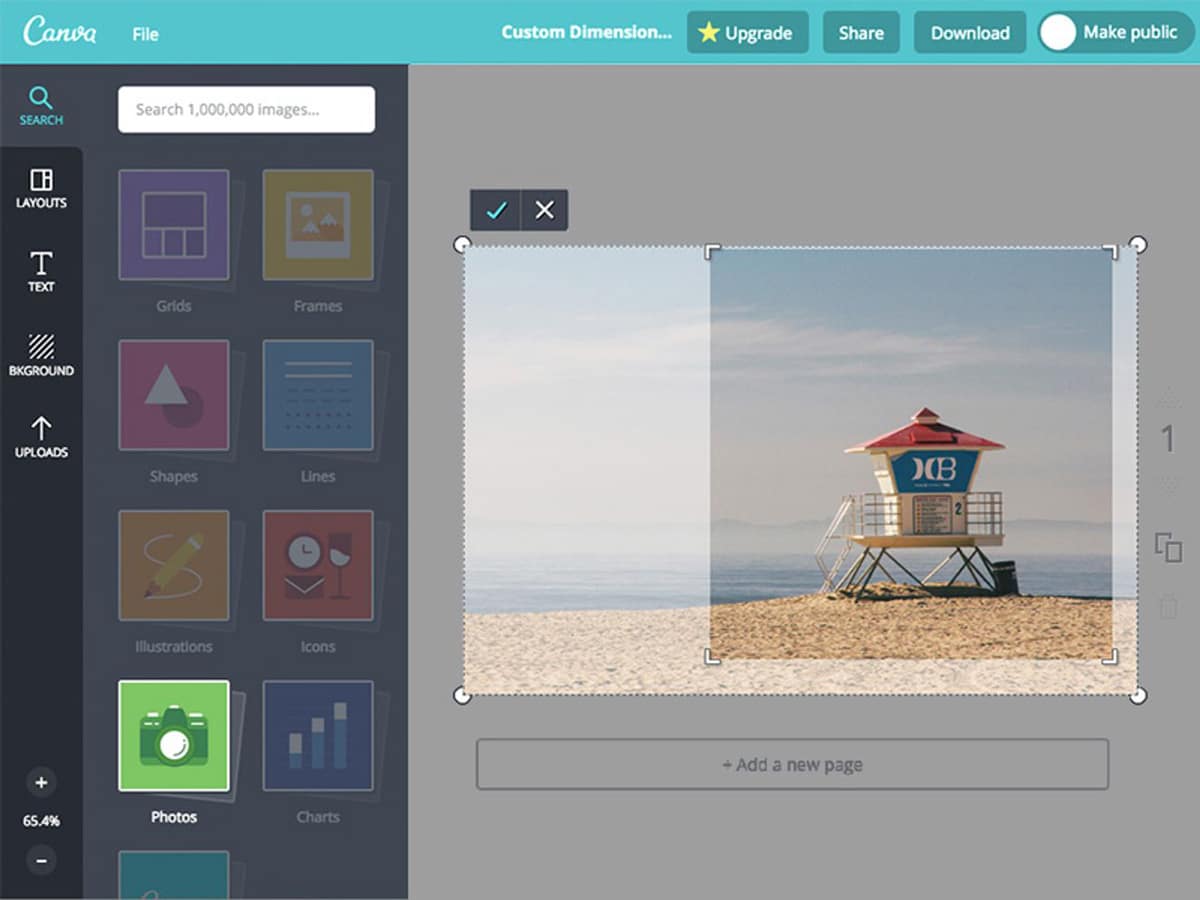
Canva simplifies graphic design for both non-designers and professionals. Create social media graphics, presentations, posters, marketing materials, and more with intuitive drag-and-drop tools. Thousands of templates and millions of stock photos make it fast to produce quality designs without starting from scratch.
While not a UI design tool like Figma, Canva excels at the supporting graphics every web designer needs—social media posts, blog headers, email banners, and marketing collateral. The Brand Kit feature maintains consistency across all your designs. The free tier is remarkably generous, with Canva Pro adding premium templates, brand kits, and background removal.
Key Features
- Intuitive drag-and-drop editor
- Thousands of professional templates
- Millions of stock photos and elements
- Brand Kit for design consistency
- Social media scheduling built-in
- Generous free tier available
Best For: Web designers who need to quickly create social media graphics, marketing materials, and supporting visuals alongside their core design work.
Adobe Photoshop
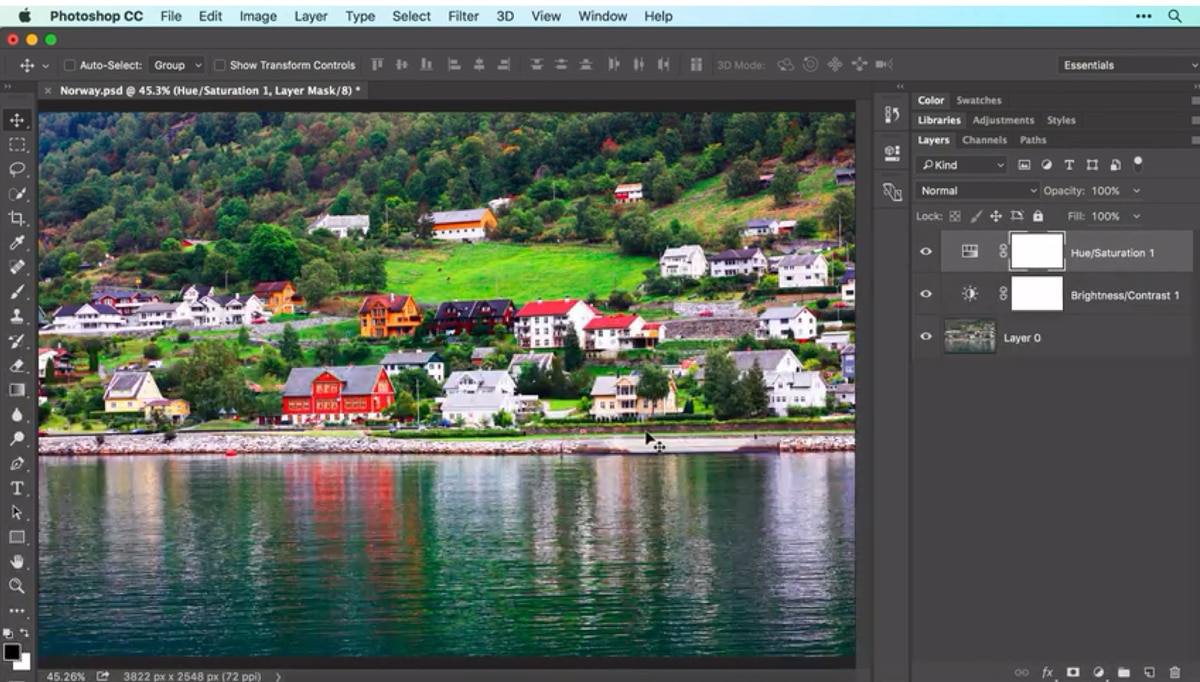
Photoshop remains essential for image editing, photo manipulation, and creating complex web graphics. While newer tools handle UI design better, Photoshop is unmatched for detailed image work—retouching product photos, creating hero images, compositing, and preparing photography for the web.
AI-powered features like Generative Fill and Neural Filters have transformed Photoshop’s capabilities in recent years. Content-Aware tools remove and replace elements intelligently, while advanced masking handles even complex selections like hair and transparency. For web designers who work with photography, Photoshop remains irreplaceable.
Key Features
- Unmatched image editing capabilities
- AI-powered Generative Fill tools
- Advanced masking and selection
- Content-Aware removal and fill
- RAW photo processing support
- Web-optimized export options
Best For: Web designers who work heavily with photography, product images, and complex visual compositions that require professional image editing.
Adobe Illustrator
Illustrator is the industry standard for vector graphics creation. Design logos, icons, illustrations, and typography that scale perfectly to any size—from favicons to billboard banners. For web designers, Illustrator is essential for creating brand assets, custom icons, and SVG graphics that look sharp on every screen.
The pen tool provides precise control over every curve and anchor point, making it the preferred tool for logo designers worldwide. Export options include SVG for web, ensuring your vector work translates perfectly to responsive websites. While Figma handles basic vector work, Illustrator’s depth is unmatched for complex illustration and brand design.
Key Features
- Industry-standard vector graphics
- Precise pen tool for logo design
- SVG export for web-ready graphics
- Scales perfectly to any resolution
- Advanced typography tools
- Seamless Creative Cloud integration
Best For: Web designers who create logos, custom icons, illustrations, and brand assets that need to scale perfectly across all formats.
VS Code
Visual Studio Code is a free, powerful code editor that has become the standard for front-end development. For web designers who write CSS, HTML, and JavaScript, VS Code provides intelligent code completion, live preview, and Git integration that streamline the design-to-code workflow.
Extensions transform VS Code into a complete design-development environment. Live Server previews changes instantly, Emmet generates HTML/CSS shortcuts, and CSS Peek lets you jump between selectors and styles. The integrated terminal, debugger, and version control make it a complete development environment that’s as approachable for designers as it is powerful for developers.
Key Features
- Free and open source editor
- Intelligent code completion
- Live Server for instant previews
- Thousands of extensions available
- Built-in Git version control
- Integrated terminal and debugger
Best For: Web designers who write front-end code and need a powerful, extensible editor with live preview and intelligent code assistance.
Notion
Notion helps organize design projects, client feedback, and documentation in one flexible workspace. Create design briefs, maintain style guides, track project milestones, and collect client approvals without switching between multiple tools. The all-in-one approach reduces tool fatigue for busy designers.
Templates for design workflows—mood boards, project trackers, client portals, and content calendars—get you organized quickly. The database features let you create custom project management systems tailored to your design process. Notion integrates with Figma, Slack, and other design tools, keeping everything connected.
Key Features
- All-in-one workspace for projects
- Design brief and style guide templates
- Client feedback and approval tracking
- Custom database-driven workflows
- Figma and Slack integrations
- Free tier for personal use
Best For: Freelance designers and design teams who need to organize projects, manage client communication, and maintain documentation in one place.
Related Resources
- Free Design Resources Guide – Templates and assets
- Top Design Blogs – Learn from experts
- Website Color Schemes – Choose perfect colors
Frequently Asked Questions
- What is the best tool for beginners?Figma is excellent for beginners due to its free tier, browser-based access, and intuitive interface. Canva is also great for those new to design who need to create graphics quickly without a steep learning curve.
- Do I need Adobe Creative Cloud?While Adobe tools remain industry standards, many designers work entirely with alternatives like Figma, Sketch, and Canva. Your choice depends on your specific needs, budget, and workflow preferences.
- Which tool is best for UI design?Figma is currently the most popular choice for UI design due to its collaboration features, component libraries, and cross-platform availability. Sketch remains popular among Mac users, while Adobe XD integrates well with other Adobe products.
Need Fast, Reliable WordPress Hosting?
Managed hosting with free SSL, daily backups and theme setup included.