
Translation plugins turn your WordPress site into a multilingual platform. Reach international audiences by offering content in their native languages. Whether you need manual translation control or automatic translation convenience, plugins make multilingual sites possible.
This guide covers the best WordPress translation plugins available. Each offers different approaches to creating multilingual content. Find the solution that matches your translation workflow and budget. This guide is part of our complete WordPress plugins guide.
WPML

WPML stands as the most comprehensive translation solution for WordPress. The plugin handles everything from simple blogs to complex WooCommerce stores. Professional translators, agencies, and site owners trust WPML for mission-critical multilingual sites. Translate posts, pages, custom post types, taxonomies, and menus. The Translation Management module connects you with professional translators directly. WooCommerce integration handles product, cart, and checkout translation seamlessly. String translation localizes theme and plugin text across your entire site.
Key Features
- Complete translation management for posts, pages, and custom post types
- Full WooCommerce store translation support
- Professional translator integration and workflow tools
- String translation for themes and plugins
- SEO-friendly URL structures for each language
- 40+ languages included out of the box
Best For: E-commerce sites, enterprise businesses, and anyone who needs professional translator workflows with complete WooCommerce support.
Polylang

Polylang offers a popular free alternative for multilingual WordPress sites. The plugin creates separate posts for each language while keeping them connected. Simple interface design makes setup straightforward for beginners. Add unlimited languages to your site and translate posts, pages, categories, tags, and custom taxonomies. Language switcher widgets let visitors choose their preferred language. The premium version adds WooCommerce support and advanced features for growing sites.
Key Features
- Free core plugin with no feature limitations
- Unlimited languages with full translation support
- Simple and intuitive admin interface
- Language switcher widget for easy visitor navigation
- RTL language support for Arabic, Hebrew, and more
- SEO-friendly permalinks for each language version
Best For: Budget-conscious site owners, bloggers, and small businesses who need solid multilingual support without the cost of premium plugins.
GTranslate

GTranslate brings Google Translate power to your WordPress site. Automatic translation handles content without manual work. Visitors select their language and see your entire site translated instantly. The free version uses on-the-fly translation while premium plans create translated URL structures for SEO benefits. Edit automatic translations to fix errors and fine-tune the output. Over 100 languages are available through Google’s powerful translation engine.
Key Features
- Automatic Google-powered translation for all content
- 100+ languages available instantly
- No manual translation work required
- Translation editing option to fix errors
- SEO-friendly URLs available in premium version
- Multiple widget styles for language selection
Best For: Sites that need quick multilingual access without the time investment of manual translation. Ideal for reaching international audiences fast.
Loco Translate
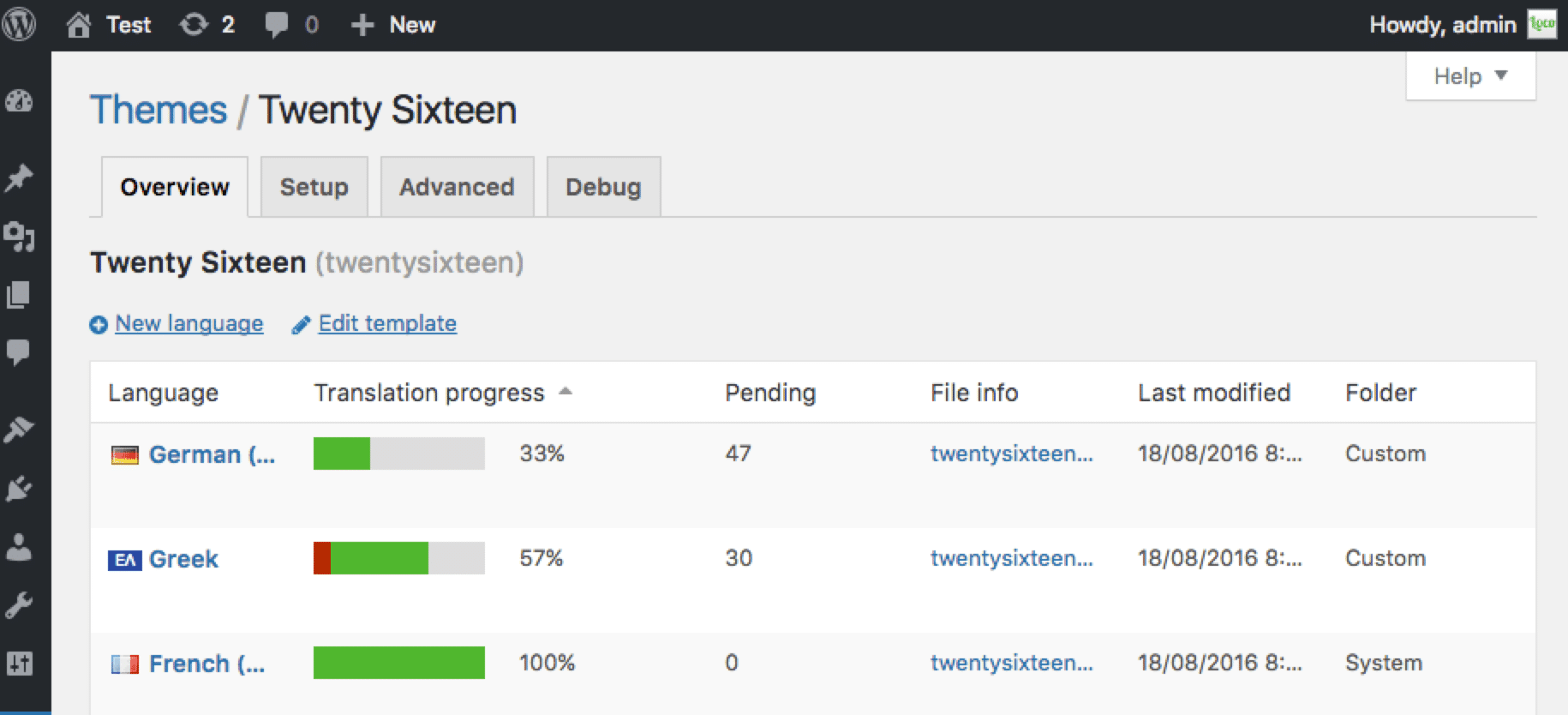
Loco Translate serves a different purpose than content translation plugins. It translates themes and plugins into your language directly within WordPress. Edit translation files without external software like Poedit. The built-in editor handles PO files with an intuitive interface. Automatic backup protects your translation work. Extract translatable strings from theme and plugin code and create new language files or edit existing translations with ease.
Key Features
- In-WordPress PO file editor with intuitive interface
- Theme and plugin translation support
- Automatic string extraction from source code
- Automatic backups of translation files
- No external tools or software needed
- Protected translations that survive updates
Best For: Developers and site owners who need to translate their theme or plugin interface strings into another language.
Google Language Translator
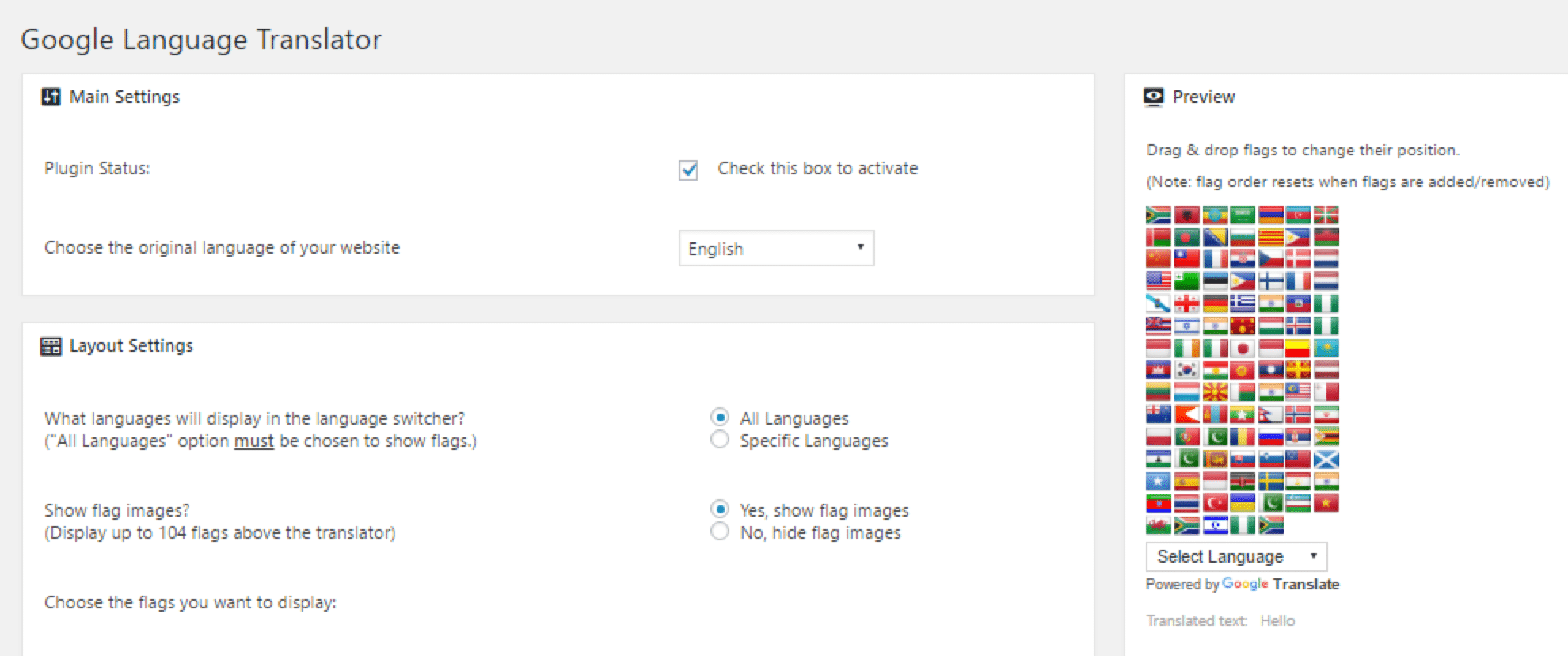
Google Language Translator adds Google’s translation widget to your site with a straightforward setup process. The plugin offers a simple way to provide automatic translation using Google’s familiar interface. Display options include inline, vertical, and dropdown styles. Choose which languages to offer or include all available options. The toolbar shows automatically for translated pages and you can hide specific page elements from translation if needed.
Key Features
- Official Google Translate widget integration
- Multiple display styles including inline and dropdown
- Language selection control for offered languages
- Floating widget option for persistent access
- Element exclusion to skip specific page sections
- Simple setup with minimal configuration needed
Best For: Sites that want a simple, no-fuss Google translation widget without advanced features or complex configuration.
qTranslate X
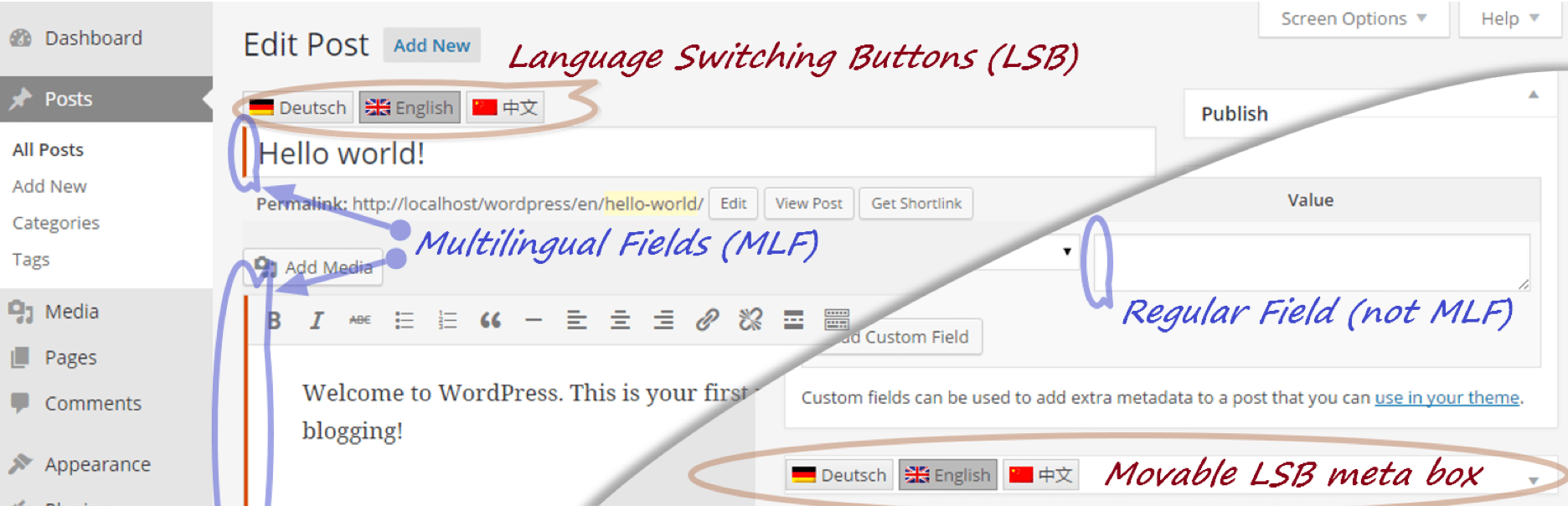
qTranslate X stores translations within the same post using language tags. Switch between languages while editing without leaving the page. The single-post approach keeps your database cleaner than separate-post methods used by other plugins. Custom language codes support any language you need. URL modes offer different permalink structures for translated content. The plugin remains completely free with no premium upsells or locked features.
Key Features
- Single-post translation storage for cleaner databases
- Quick editor language switching without page reloads
- Custom language support for any language
- Multiple URL modes for permalink structures
- Completely free with no premium version
- Lightweight implementation with minimal overhead
Best For: Users who prefer a lightweight approach with translations stored in a single post rather than duplicated across multiple posts.
Xili-Language
Xili-Language takes a taxonomy-based approach to multilingual WordPress. Languages work as categories assigned to posts, integrating naturally with WordPress’s existing structure. The plugin focuses on content translation without modifying WordPress core. Developers appreciate the clean implementation and respect for WordPress architecture. Multiple companion plugins extend functionality for specific needs. Active development has continued since 2009.
Key Features
- Taxonomy-based approach using WordPress categories
- Clean WordPress core integration without hacks
- Developer-friendly code and architecture
- Long-term active support since 2009
- Companion plugin ecosystem for extended features
- Lightweight implementation respecting WordPress standards
Best For: Developers who want a clean, taxonomy-based multilingual solution that respects WordPress architecture and coding standards.
Ceceppa Multilingua
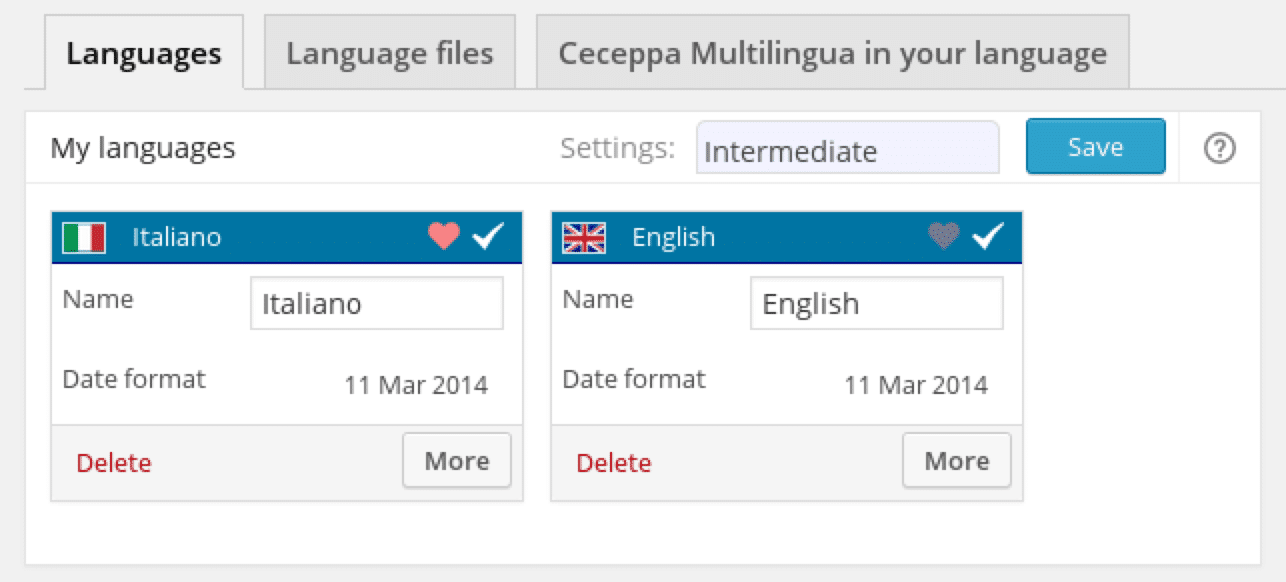
Ceceppa Multilingua provides manual translation with a focus on flexibility and control. The plugin supports posts, pages, categories, tags, and custom post types. Separate pages for each language ensure proper search engine indexing. Widget translation handles sidebar content in different languages. Multiple language switcher styles match various theme designs. Proper hreflang support tells search engines about your translated content for better international SEO.
Key Features
- Manual translation control for quality assurance
- Widget translation for sidebar content
- Custom post type support for any content
- Proper hreflang implementation for international SEO
- Multiple language switcher styles and designs
- Active maintenance and continued development
Best For: Site owners who want full manual control over translations with proper hreflang support for international SEO.
Choosing Your Translation Approach
Your choice depends on translation quality needs and budget. Automatic translation through GTranslate works for basic international reach. Manual translation with WPML or Polylang delivers better quality for important content.
E-commerce sites should invest in WPML for proper WooCommerce translation. Blogs and informational sites can use Polylang’s free version effectively. Consider whether SEO for translated content matters. Manual translation with proper URL structures ranks better than automatic translation.
Frequently Asked Questions
- Is automatic translation good enough for my site?Automatic translation works for basic understanding but contains errors. Important content like sales pages, legal text, and product descriptions deserve human translation. Use automatic translation for general content where perfect accuracy isn’t critical.
- Do multilingual sites hurt SEO?Properly configured multilingual sites help SEO by reaching new audiences. Use hreflang tags to tell search engines about language versions. Create unique URLs for each language. Avoid duplicate content issues by implementing translations correctly.
- Can I translate WooCommerce products?Yes. WPML offers complete WooCommerce translation including products, categories, and checkout. Polylang’s premium WooCommerce add-on also handles store translation. GTranslate can translate store pages automatically. Manual translation produces better results for product descriptions.
- How do I choose which languages to add?Check your analytics for visitor locations. Translate for countries where you already have traffic or want to expand. Consider your products or services and target markets. Start with one or two languages, then expand based on results.
- What’s the difference between Loco Translate and content translation plugins?Loco Translate handles interface translation like buttons, menus, and theme text. Content translation plugins handle your posts, pages, and products. Most multilingual sites need both types. Use Loco to translate your theme, then WPML or Polylang for content.
- Can translation plugins affect site speed?Complex translation setups can impact performance slightly. Automatic translation services like GTranslate add external requests. Manual translation plugins like WPML and Polylang have minimal speed impact when properly configured. Use caching to offset any performance effects.

Elevate Your Online Presence with Our Free WordPress Themes
Craft Your Debut Blog or Nonprofit Website with Our Complimentary Themes!
Discover Free Themes