


You built a great website. Now you need people to find it. Google indexing makes that happen. Without indexing, your site is invisible to search traffic.
Getting your website indexed isn’t automatic. Google has billions of pages to crawl. You need to help them find and understand yours. This guide shows you how.
How Google Search Works
Understanding the process helps you optimize for it. Google uses automated software called Googlebot to discover content. Here’s the sequence:
Crawling – Googlebot visits your site and downloads pages. It follows links to discover new content. It notes what’s on each page.
Indexing – Google processes the crawled content. It analyzes titles, text, images, and structure. Worthy pages get added to the searchable index.
Ranking – When someone searches, Google shows relevant indexed pages. Your content competes with similar pages for position.
If your site isn’t crawled, it can’t be indexed. If it’s not indexed, it can’t rank. Every step matters.
Check If Your Site Is Indexed
Before optimizing, check your current status. Type this in Google:
site:yourwebsite.com
Replace “yourwebsite.com” with your actual domain. The results show all pages Google has indexed.

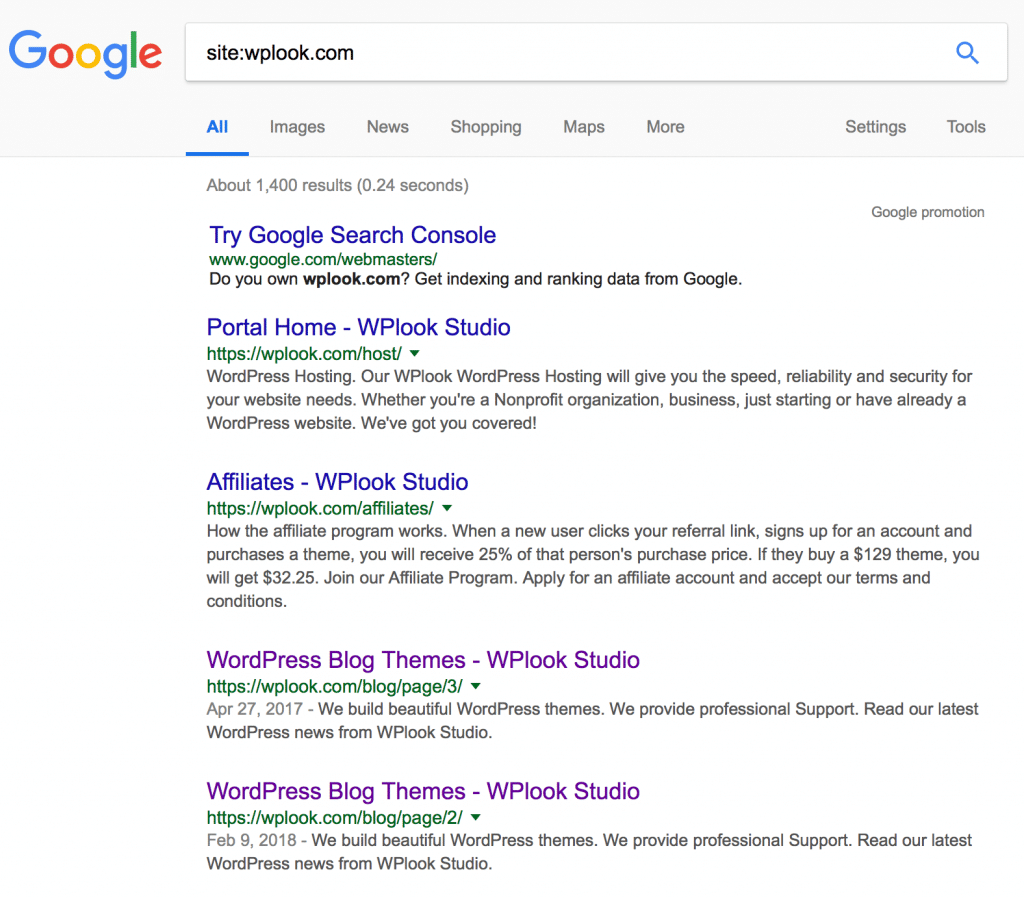
No results? Your site isn’t indexed yet. Few results? Some pages may have issues. This check gives you a baseline.
1. Disable “Discourage Search Engines”
WordPress has a setting that blocks search engines. It’s useful during development but devastating if left on for a live site.
Check this now:
- Go to Settings → Reading in WordPress
- Find “Search Engine Visibility”
- Make sure the box is UNCHECKED
If this box is checked, Google will ignore your entire site. Many website owners forget to uncheck it after launching. This simple setting blocks all organic traffic.
2. Create Quality Content
Google wants to index valuable content. Thin, duplicate, or low-quality pages may be ignored or penalized.
Quality content characteristics:
- Original and unique
- Helpful to readers
- Well-organized with headings
- Contains relevant keywords naturally
- Updated when information changes
Don’t copy content from other sites. Google detects duplicates and usually ignores them. Write original material that provides value.
If writing isn’t your strength, consider hiring content creators. Quality content is an investment that pays through organic traffic.
3. Submit an XML Sitemap
A sitemap is a file listing all your pages. It helps Google find and understand your content structure. Think of it as a roadmap for crawlers.
WordPress plugins like Yoast SEO generate sitemaps automatically. Your sitemap URL is usually:
yoursite.com/sitemap.xml
Submit your sitemap to Google Search Console:
- Log into Google Search Console
- Select your property
- Click “Sitemaps” in the left menu
- Enter your sitemap URL
- Click Submit
Google will crawl your sitemap and discover all listed pages. Updates get noticed faster too.
4. Set Up Google Analytics
Google Analytics tracks visitor behavior on your site. It shows traffic sources, popular pages, and user engagement.
While Analytics doesn’t directly affect indexing, it provides valuable data. You can see which pages perform well and which need improvement.
The tracking code also signals to Google that your site is active and monitored. Professional sites use Analytics.
5. Use Social Media
Social media helps Google discover your content. Shared links get crawled. Active social profiles show your site is legitimate.
Share new content on:
- Twitter/X
- Pinterest (for visual content)
Social signals may not directly affect rankings. But they help discovery. Links from social platforms get crawled quickly. Your content enters Google’s awareness faster.
6. Fix Crawl Errors
Technical problems prevent proper indexing. Google Search Console reports crawl errors. Check it regularly.
Common errors include:
- 404 errors – Pages that don’t exist
- Server errors – Site unavailable during crawl
- Blocked resources – CSS or JavaScript files blocked
- Redirect issues – Chains or loops
Fix errors promptly. They waste crawl budget and may prevent important pages from being indexed.
7. Build Quality Backlinks
Links from other sites help Google discover yours. When reputable sites link to you, Google follows those links and finds your content.
Ways to earn backlinks:
- Create link-worthy content
- Guest post on relevant blogs
- Get listed in directories
- Build relationships with other site owners
Avoid buying links or using link schemes. Google penalizes manipulative practices. Focus on earning links naturally through quality content.
Speed Up Indexing
New sites can take weeks to get fully indexed. These tips accelerate the process:
- Request indexing in Search Console for important pages
- Publish content regularly
- Internal link new pages from existing indexed pages
- Share on social media immediately after publishing
- Build backlinks from indexed sites
Consistency matters. Sites that update regularly get crawled more often. Google learns to check back frequently.
Start Getting Indexed Today
Indexing is the foundation of organic traffic. Without it, your content is invisible to search users. The steps above help Google find, understand, and index your site.
Start with the basics: check your settings, submit your sitemap, create quality content. Then expand with social sharing and link building.
Patience helps too. Indexing takes time, especially for new sites. Keep creating valuable content and Google will reward your efforts.
Frequently Asked Questions
How long does it take for Google to index a new website?
New websites typically get indexed within 4 days to 4 weeks. Submitting your sitemap through Google Search Console speeds this up. Individual new pages on established sites usually get indexed within hours to days.
Why isn’t my website showing up in Google search?
Common reasons include: the “Discourage search engines” setting is enabled, your site is too new, there are crawl errors, you have no backlinks, or your content is thin or duplicate. Check Google Search Console for specific issues.
Can I force Google to index my site faster?
You can’t force indexing, but you can encourage it. Submit your sitemap, request indexing for specific URLs in Search Console, share content on social media, and build backlinks from already-indexed sites. These actions help Google discover your content faster.
How do I check if a specific page is indexed?
Search Google for the exact URL using: site:yoursite.com/page-url. If it appears, it’s indexed. You can also use the URL Inspection tool in Google Search Console for detailed indexing status and any issues.
Does Google index all pages on my website?
No. Google chooses which pages to index based on quality, uniqueness, and crawl budget. Low-quality, duplicate, or blocked pages won’t be indexed. Focus on creating valuable content and fixing technical issues to maximize indexed pages.
What is crawl budget and does it matter?
Crawl budget is how many pages Google will crawl on your site in a given time. For small sites under 1,000 pages, it rarely matters. Larger sites should optimize crawl budget by fixing errors, removing duplicate content, and prioritizing important pages.
Get Fast Hosting Speed Optimization Service